There’s something wildly ironic about how we obsess over the quality of food we eat—organic labels, gluten-free everything, fancy filters for coffee beans—yet the very water we cook, clean, and survive on? Often overlooked. Out of sight, out of mind, right? But here’s the deal: water isn’t just H₂O. It can be a cocktail of minerals, chemicals, and sometimes, contaminants you didn’t sign up for.
If you’ve never tested your tap water or even thought about what might be flowing through your pipes, you’re not alone. But it’s time we all start asking tougher questions. Let’s dig into why checking your water isn’t just for science nerds or rural homeowners. It’s for everyone.
Why Water Testing Deserves a Spot on Your To-Do List
You wake up, brush your teeth, drink a glass of water, make coffee, and go about your day—all with water straight from the tap. But how often do you stop to think, “Is this actually safe?” Municipal treatment plants do a decent job, but they don’t catch everything. Especially not what happens after the water leaves their hands and travels through miles of aging infrastructure.
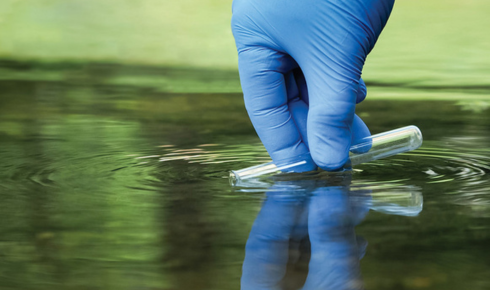
That’s where instant water check kits come in. These handy little tools let you screen for common problems like lead, chlorine, bacteria, and hardness in just minutes. No lab coats. No waiting. Just answers. For renters, homeowners, and even business owners, it’s peace of mind in a bottle.
The Hidden Variables in Your Zip Code
Now here’s the kicker: not all water is created equal.
Where you live plays a major role in your water’s composition. Maybe you’re in an older city with ancient plumbing and rusty pipes. Or maybe your water is sourced from a well, pulling minerals and sediment from underground. Even nearby agricultural runoff can spike nitrate levels. That’s why regional water quality reports are worth their weight in gold.
Most counties publish annual water quality reports, and while they’re helpful, they’re often buried in government PDFs and filled with jargon. Don’t let the technical terms scare you off. A little digging can reveal whether your area has a history of lead contamination, bacterial outbreaks, or high PFAS levels (those “forever chemicals” everyone’s talking about).
When “Clear” Doesn’t Mean “Clean”
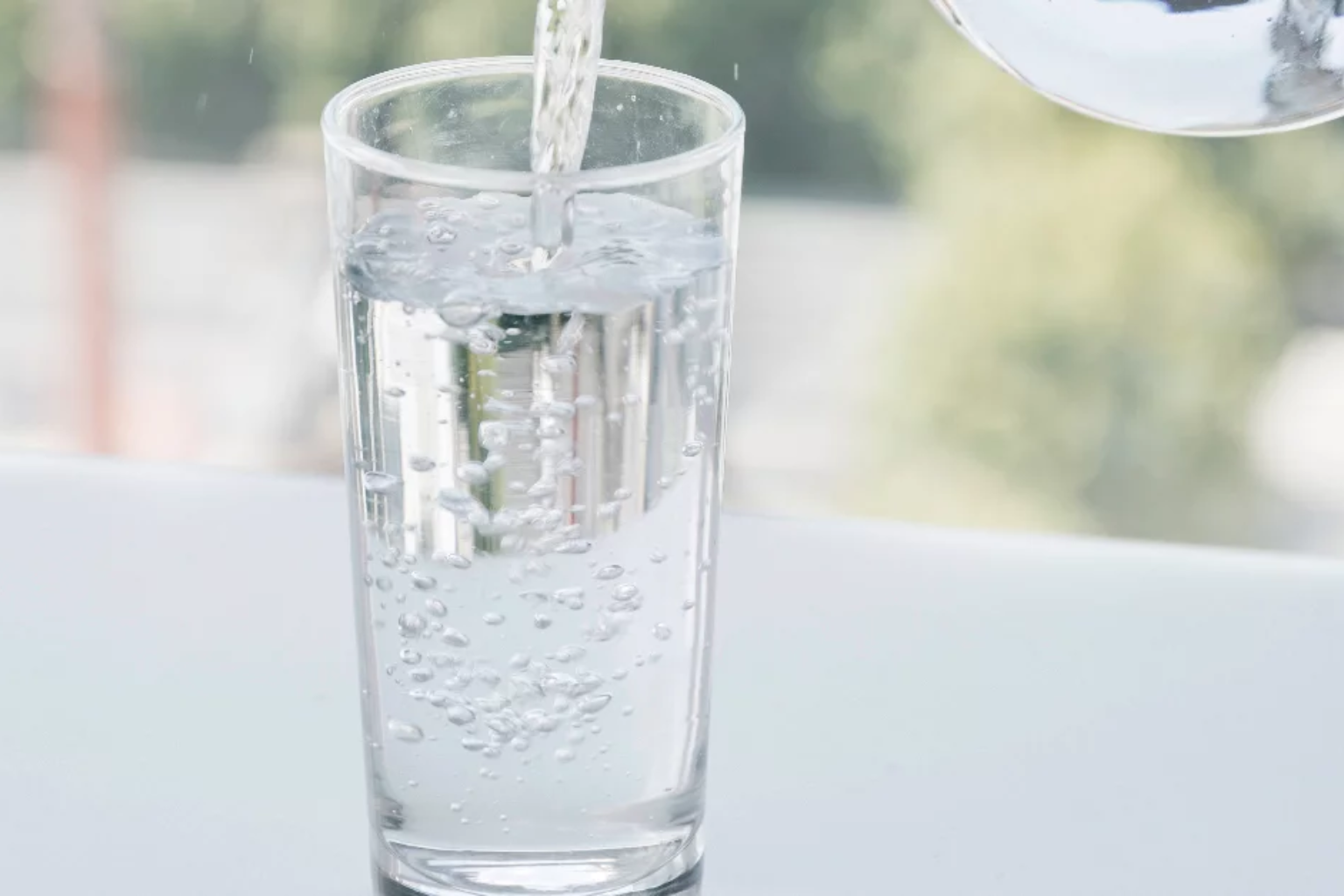
You can’t always see or smell a problem. In fact, most contaminants are invisible. Water can look crystal clear and still be teeming with unsafe levels of chlorine, fluoride, arsenic, or even coliform bacteria.
Ever get dry skin or brittle hair and think it’s just the weather? Could be your water. Soap not lathering like it should? Blame high calcium levels. You don’t need to be a chemist to notice something’s off—you just need to trust your instincts and investigate further.
DIY vs. Pro: Who Should You Trust?
Yes, those at-home tests are great for quick checks, but if you’re serious about understanding your water, there’s no beating a expert water analysis.
Professional water testing services go way deeper. We’re talking full-spectrum analysis of metals, bacteria, pH balance, nitrates, VOCs—the whole shebang. These reports are lab-certified and can even be used to settle landlord disputes, qualify for home insurance, or decide what kind of filtration system you really need.
Think of it this way: DIY is like using a thermometer. Useful, but limited. Calling in the pros? That’s like getting a full blood panel done.
Filtration Isn’t One-Size-Fits-All
Here’s where most people go wrong. They spot a slick ad for a trendy filter pitcher and assume it’s the silver bullet. Nope. Not even close.
Water filters need to match the problem. Got hard water? You need a softener, not a carbon filter. Dealing with bacteria? A UV purifier might be better. High chlorine? Activated carbon’s your buddy. But unless you’ve tested, how do you know what to target?
A generic filter might make your water taste better, but that doesn’t mean it’s cleaner. That’s why proper testing should always come before any purchase decision.
A Personal Story That Changed Everything
A friend of mine—let’s call him Raj—lived in a posh high-rise in a metro city. New construction. Great plumbing. Fancy water purification at the building level. Yet, his young daughter kept getting skin rashes and stomach bugs. Doctors blamed allergies. Diet. You name it.
On a hunch, Raj did a home test. Turns out, the “filtered” water still had elevated chlorine and traces of lead—likely from the building’s internal pipes. He got a lab test done to confirm. Long story short, they installed a customized filtration system and the issues stopped.
This stuff matters. Even when everything seems fine.
So, What Now?
Let’s keep it simple. If you haven’t tested your water yet, do it. Grab an instant water check kit or contact a lab for a pro-level deep dive. If your water smells funny, leaves residue, or just tastes off—it’s not in your head. Investigate.
And remember, clean water isn’t a luxury. It’s a basic human right. But making sure it’s actually clean? That’s your responsibility.
Wrap-Up: Don’t Let “Clean Enough” Fool You
We live in an age of information, yet somehow we’ve normalized not knowing what’s in our water. That’s a bit bonkers when you think about it. The good news? You don’t have to stay in the dark.
Start small. Do an instant test. Read up on your regional water quality. If needed, go full throttle with expert water analysis. The tools are out there. The choice is yours.
Because at the end of the day, clear water doesn’t always mean clean water—and when it comes to your health and home, that’s not a gamble worth taking.