Most homes don’t notice water issues all at once. It’s rarely dramatic. Instead, it creeps in slowly — like that cloudy film on your bathroom fixtures that seems to return no matter how often you wipe it away. Or the shower glass that never looks fully clear anymore. Maybe it’s your washing machine working just a little harder, taking longer cycles than it used to.
At first, you don’t think much of it. Life is busy, after all. But over time, these small annoyances begin to form a pattern. And that’s when many homeowners realize they’re dealing with something incredibly common: mineral-heavy water.
Once you start paying attention, you see how much water quality quietly affects daily life.
Hard Water Is More Common Than You Think
In many regions, groundwater naturally contains dissolved minerals like calcium and magnesium. These minerals aren’t harmful to drink, which is why hard water often goes unnoticed for years.
But while it may be safe, it isn’t always friendly to your home.
Minerals left behind after water evaporates create scale — a stubborn, chalky residue that builds up inside pipes, appliances, and fixtures. Over time, this buildup reduces efficiency, increases maintenance needs, and shortens the lifespan of expensive equipment.
This is why scale prevention has become such a major focus for modern homeowners. Preventing mineral deposits isn’t just about keeping surfaces clean — it’s about protecting the entire plumbing system from gradual wear and tear.
Think of it like cholesterol in arteries. You don’t see it forming day by day, but eventually it affects performance in a very real way.
The Hidden Costs of Ignoring Water Quality
Many people assume hard water issues are purely cosmetic — white spots on dishes or a dull finish on faucets. But the long-term impact runs much deeper.
Scale buildup inside water heaters forces them to work harder, consuming more energy. Appliances like dishwashers and washing machines may lose efficiency, requiring repairs sooner than expected.
Pipes can gradually narrow due to mineral deposits, reducing water flow and increasing pressure strain.
What makes this particularly tricky is that these changes happen slowly. By the time noticeable problems appear, the underlying damage may already be significant.
That’s why proactive solutions often make the most sense.
Why Installation Matters More Than You Realize
When homeowners decide to address hard water issues, the most common solution is installing a water softening system. But choosing the right system is only part of the equation — how it’s installed plays an equally important role.
Proper softener installation ensures the system integrates smoothly with existing plumbing, operates efficiently, and provides consistent performance throughout the home.
A poorly installed system may still function, but it might not deliver optimal results. Water pressure could fluctuate, regeneration cycles may not operate correctly, and maintenance needs could increase.
Professional installation also helps identify potential challenges early — such as space limitations, pipe compatibility, or water usage patterns.
In many cases, a well-installed system can operate effectively for years with minimal intervention.
The Everyday Comfort of Better Water
One of the most noticeable benefits of softened water is how it improves daily routines. Soap lathers more easily, reducing the amount needed for cleaning tasks. Showering feels gentler on skin and hair. Surfaces stay cleaner longer without constant scrubbing.
Laundry, in particular, often shows dramatic improvement.
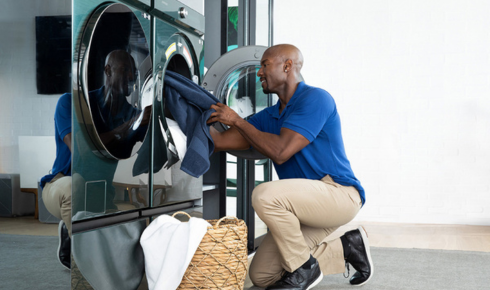
Hard water minerals can trap detergent residues within fabrics, making clothes feel stiff or dull even after washing. With softened water, detergents dissolve more effectively, allowing fabrics to rinse thoroughly.
The result is cleaner laundry — softer textures, brighter colors, and a fresher overall feel. Many homeowners say this is one of the first differences they notice after installing a water softening system.
It’s a simple improvement, but it affects everyday life in a surprisingly meaningful way.
Environmental and Financial Benefits
Beyond comfort, improved water quality also offers practical advantages. Softened water reduces energy consumption by allowing appliances to operate more efficiently.
Water heaters heat faster and maintain performance longer. Dishwashers require less detergent. Cleaning products work more effectively, reducing chemical usage.
Over time, these efficiencies translate into measurable cost savings — lower energy bills, fewer appliance repairs, and longer equipment lifespans.
There’s also an environmental angle. Reduced detergent use means fewer chemicals entering wastewater systems, supporting more sustainable household practices.
Technology Is Making Water Management Smarter
Modern water softening systems are far more advanced than earlier generations. Many now include digital controls that monitor water usage, optimize regeneration cycles, and provide maintenance alerts.
Some systems even connect to mobile apps, allowing homeowners to track performance in real time.
These technological advancements make water management more efficient and less time-consuming, ensuring consistent results without constant oversight.
The Emotional Side of Reliable Water
It might sound unusual, but reliable water quality can bring a sense of peace of mind. There’s reassurance in knowing that something as essential as water is consistently optimized.
You stop worrying about appliance damage, stubborn residue, or unexpected plumbing issues.
Instead, water becomes what it’s meant to be — a simple, dependable part of daily life.
A Quiet Improvement That Adds Up Over Time
Water quality improvements rarely feel dramatic in the moment. But over months and years, they make a significant difference in comfort, efficiency, and home maintenance.
Scale prevention protects infrastructure. Proper installation ensures reliable performance. Softer water enhances everyday routines in subtle yet meaningful ways.
Perhaps that’s the most interesting thing about addressing hard water — it’s not about a single big change. It’s about dozens of small improvements that quietly accumulate.
And once you experience the difference, you realize something simple yet powerful: better water doesn’t just protect your home — it makes daily life feel just a little easier, every single day.