There’s a strange relationship we all have with water. We depend on it, obviously—we drink it, cook with it, wash everything from dishes to doubts with it. But if you pause for a second and really think about what’s coming out of your tap, things get… a little uncertain. Is it clean? Safe? Just “good enough”?
That’s where modern filtration systems step in—not as some flashy upgrade, but more like a quiet reassurance in your daily routine. And among them, reverse osmosis systems have carved out a reputation that’s hard to ignore.
Why Basic Filtration Isn’t Always Enough
Let’s be honest—most people assume that if water looks clear, it must be fine. No smell, no color, no problem, right? Well, not exactly.
Tap water can carry dissolved solids, heavy metals, and microscopic contaminants that you won’t notice unless you’re actively testing for them. Things like lead, chlorine byproducts, or even trace pesticides can slip through standard filtration methods.
Basic filters—like those attached to faucets or pitchers—do help, but they often target only a limited range of impurities. They’re a bit like using a single key for a whole bunch of different locks. Sometimes it works, sometimes it doesn’t.
The Layered Approach That Actually Makes Sense
Reverse osmosis systems don’t rely on just one step. Instead, they use a layered process that feels a lot more thoughtful, almost like a series of checkpoints.
This is where multi-stage RO filtration comes into play.
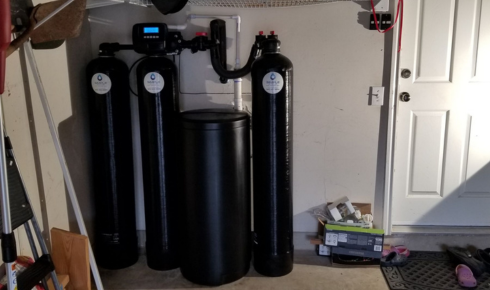
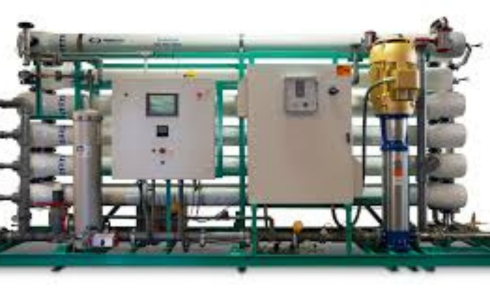
Rather than trying to tackle everything at once, the system breaks the process down. First, larger particles like sediment and rust are removed. Then carbon filters step in to deal with chlorine and organic compounds. Finally—and this is the heart of it all—the water passes through a fine membrane that filters out even the tiniest dissolved impurities.
It’s not flashy. But it’s thorough. And that’s kind of the point.
A Membrane That Does the Heavy Lifting
At the core of every reverse osmosis system is something that sounds almost too technical to matter—but it absolutely does.
Think of it as an incredibly picky gatekeeper. It allows water molecules to pass through while blocking contaminants that are significantly larger—even if they’re invisible to the naked eye. Salts, heavy metals, bacteria, and various dissolved solids are stopped in their tracks.
It’s not perfect—no system is—but it’s remarkably effective. And that effectiveness is what turns ordinary tap water into something that feels noticeably different. Cleaner, lighter, sometimes even better-tasting.
Taste, Texture, and the Small Things You Notice
Here’s something people don’t always talk about: the way filtered water feels.
Yes, feels.
Water that’s been properly filtered often tastes crisper. There’s no lingering aftertaste, no faint chemical note that makes you pause mid-sip. Even coffee and tea start to taste a bit different—more balanced, less muddled.
Cooking changes too. Pasta boils in cleaner water. Vegetables retain their natural flavor a little better. It’s subtle, sure, but once you notice it, it’s hard to go back.
And then there’s peace of mind, which might be the biggest benefit of all. You’re not constantly second-guessing what you’re consuming.
Not Just for Homes Anymore
While reverse osmosis systems are often associated with residential kitchens, they’ve quietly made their way into offices, restaurants, and even small businesses.
Why? Because consistency matters.
In a café, for instance, water quality can directly impact the taste of every cup served. In a workplace, providing clean drinking water isn’t just a perk—it’s an expectation. People are more aware now, more cautious.
That’s where purified water solutions come into the picture—not as luxury upgrades, but as practical, long-term investments in quality and trust.
Maintenance: The Part Nobody Talks About
Of course, no system runs forever without a little attention.
Filters need to be replaced. Membranes wear out over time. Storage tanks, occasionally, require cleaning. It’s not complicated, but it does require a bit of consistency.
The good news? Most modern systems are designed with ease in mind. Indicators, reminders, and simple replacement processes make upkeep less of a chore and more of a routine.
And honestly, once it becomes part of your rhythm—like changing a lightbulb or refilling a pantry staple—it doesn’t feel like much at all.
Is It Worth It?
That’s the question, isn’t it?
For some people, the answer is immediate. If you’ve ever dealt with hard water stains, odd tastes, or concerns about contamination, the appeal is obvious.
For others, it’s more gradual. A slow realization that better water isn’t just about safety—it’s about comfort, confidence, and a slightly better everyday experience.
You don’t install a filtration system expecting a dramatic transformation. There’s no big reveal moment. Instead, it quietly improves things in the background.
And maybe that’s why it matters.
A Final Thought, Almost an Aftertaste
Water is one of those things we take for granted until we can’t. It’s always there—until it isn’t, or until we start questioning it.
Reverse osmosis doesn’t promise perfection. What it offers is something simpler: a reliable way to reduce uncertainty. A method that’s been tested, refined, and trusted in countless settings.
And in a world where so many things feel unpredictable, having something as basic as clean, dependable water… well, that’s not nothing.