You don’t usually blame water when things start feeling off at home. Dry, irritated skin? Must be the weather. A cloudy shower door? Probably cheap glass. That crusty ring around the faucet? Just normal wear and tear. Except… it’s not.
Water touches almost every part of your day. You drink it, cook with it, shower in it, clean with it. When it’s not quite right, the effects don’t show up all at once. They creep in slowly, turning into small annoyances you learn to tolerate. Until one day, you stop and think, Why does everything feel harder than it should?
That’s usually when people start realizing the water itself might be the problem.
The Silent Enemy in Your Pipes
One of the most common water-related frustrations homeowners deal with is scale buildup. It doesn’t announce itself loudly. It forms quietly, layer by layer, inside pipes, water heaters, dishwashers, and washing machines.
Scale is made up of minerals—mostly calcium and magnesium—that harden over time. You see it as white crust on showerheads, kettles, and faucets. But what you don’t see is how it narrows pipes, reduces water pressure, and forces appliances to work harder than they should. That extra strain shortens their lifespan and bumps up your energy bills without asking permission.
Most people only notice scale once it’s already causing trouble. And by then, it’s not just a cosmetic issue—it’s a system-wide one.
Why Your Skin Feels Worse After a Shower
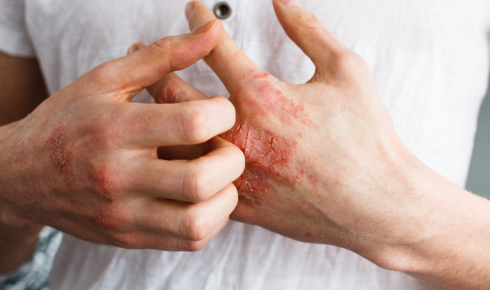
This one catches a lot of people off guard. You step out of a hot shower expecting to feel refreshed, but instead your skin feels tight, itchy, or irritated. Lotion helps, but only temporarily. Sound familiar?
Dry skin from water is often linked to mineral-heavy water and harsh residues left behind after bathing. Hard water interferes with soap and shampoo, preventing them from rinsing cleanly. That residue stays on your skin, stripping away natural oils and leaving you feeling uncomfortable.
Kids notice it. People with sensitive skin really notice it. And if you’ve ever blamed your skincare products while ignoring the water running over your body every day, you’re not alone. Water quality plays a much bigger role in skin health than most of us realize.
When Cleaning Makes Things Look Dirtier
There’s nothing more frustrating than cleaning a surface and having it look worse afterward. You wipe the shower walls, and within days there’s a cloudy film again. You wash dishes, and they dry with streaks and residue. No matter how much elbow grease you use, the results never last.
That’s the classic sign of soap scum problems. Soap scum forms when soap reacts with minerals in the water instead of dissolving properly. The result is that sticky, dull layer that clings to tiles, tubs, glass doors, and sinks.
It’s not a cleaning issue—it’s a chemistry issue. And unless the water itself is treated, you’ll keep fighting the same battle over and over again. Different cleaners might help a little, but they’re treating the symptom, not the cause.
The Cost of Ignoring Water Issues
Here’s the part most people don’t think about: these water problems don’t just affect how things look or feel. They cost money over time.
Appliances clogged with mineral deposits use more energy. Water heaters lose efficiency. Pipes corrode faster. You replace showerheads, kettles, coffee makers, and dishwasher parts sooner than you should. Even laundry detergents and soaps get used up faster because they don’t work as well in mineral-heavy water.
It adds up quietly, month after month. And because it’s spread across utilities, maintenance, and replacements, it’s easy to miss how much water quality is really costing you.
Why “Normal” Water Isn’t Always Ideal
A lot of people assume that if water is safe to drink, it must be fine in every other way. But safety standards are about preventing immediate harm—not about comfort, efficiency, or long-term wear on your home.
Water can meet regulations and still be rough on your skin, your appliances, and your patience. Minerals, pH levels, and treatment chemicals all affect how water behaves once it reaches your tap.
That’s why so many homeowners are starting to look beyond “safe” and toward “better.” Not because they’re picky—but because they’re tired of fighting problems that shouldn’t exist in the first place.
What Actually Helps (Without Overcomplicating Things)
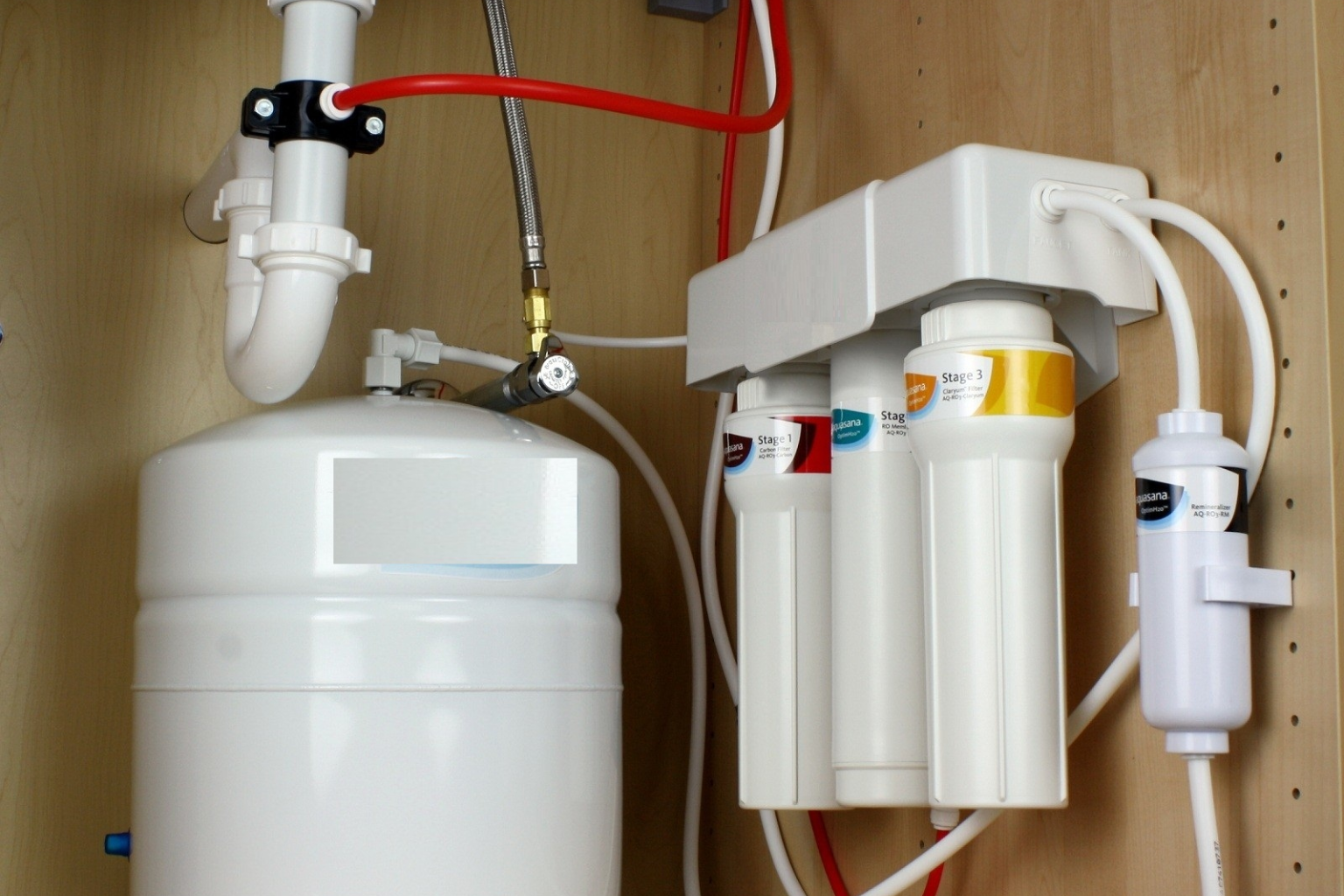
You don’t need to turn your home into a science lab to improve your water. The first step is understanding what’s coming out of your taps. A basic water test can reveal mineral levels, hardness, and other contributing factors.
From there, solutions can be surprisingly straightforward. Water softeners reduce mineral content. Filtration systems improve how water feels and performs. Even targeted upgrades—like treating water before it enters your plumbing—can make a noticeable difference across the entire house.
The key is choosing a solution that matches your actual problem, not just grabbing the most expensive option or trying to patch things with temporary fixes.
The Difference You Feel, Not Just See
People who improve their water quality often say the same thing: I didn’t realize how bad it was until it wasn’t anymore.
Showers feel smoother. Skin feels calmer. Cleaning takes less effort. Appliances run quieter. Dishes come out clear without extra rinses or polish cycles. It’s not dramatic—but it’s consistent. And consistency is what makes daily life easier.
Good water doesn’t demand attention. It just works.
A Thoughtful Ending
Water shouldn’t make life harder. It shouldn’t dry your skin, damage your home, or turn cleaning into a never-ending chore. And yet, for many households, that’s exactly what’s happening—slowly, quietly, and unnecessarily.
If you’re dealing with stubborn mineral deposits, irritated skin, or surfaces that never stay clean, it’s worth looking deeper. Not because something is “wrong” with your home—but because something could be much better.