Most of us don’t think about water very much. It’s just there — running when we need it, filling kettles, washing dishes, flowing over our hands countless times each day. It’s reliable, quiet, and usually taken for granted.
But sometimes, something feels… off.
Maybe your skin feels unusually dry after a shower. Maybe your coffee maker develops a crusty white buildup. Maybe laundry comes out stiff no matter how much detergent you use.
These little annoyances often have one common cause: hard water.
It’s not dangerous. It won’t make you sick. But it can quietly affect your comfort, your appliances, and even your home’s plumbing system over time.
Understanding how to deal with hard water — and how to maintain systems that treat it — can make everyday life noticeably easier.
Why Hard Water Sneaks Up on Homeowners
Hard water contains dissolved minerals, mainly calcium and magnesium, picked up as water travels through soil and rock.
You don’t see these minerals directly, but their effects are everywhere.
Soap doesn’t lather easily. Faucets develop white chalky residue. Shower glass seems impossible to keep clean.
At first, these things feel like minor inconveniences. You clean more often, use extra detergent, and assume it’s just part of life.
But over time, mineral buildup can affect pipes, reduce appliance efficiency, and even shorten equipment lifespan.
That’s when homeowners start looking for long-term solutions.
The First Step Toward Softer Water
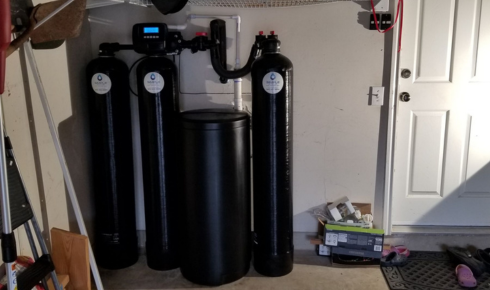
Installing a water softener is often the most effective way to address hard water problems.
These systems work by removing excess minerals through a process called ion exchange, replacing them with sodium or potassium ions that don’t cause scaling.
Proper softener installation is crucial to ensure the system functions correctly from the beginning. Factors like water usage, plumbing layout, and hardness levels all influence the type and size of system required.
When installed correctly, homeowners usually notice improvements almost immediately — softer laundry, clearer glassware, and better soap performance.
Why Maintenance Is Just as Important as Installation
Like any home system, water softeners need ongoing care.
Over time, resin beds can become clogged, valves may wear out, and salt levels can fluctuate.
When systems aren’t maintained, they gradually lose effectiveness, and hard water symptoms may return.
Professional softener repair services help diagnose issues quickly and restore system performance.
Routine servicing ensures components remain clean and functional, extending the system’s lifespan and preventing unexpected failures.
Many homeowners find that simple annual maintenance keeps their systems running smoothly for years.
The Bigger Impact on Daily Comfort
One of the most surprising aspects of soft water is how much it improves everyday experiences.
Showers feel more refreshing because soap rinses off more completely. Skin often feels smoother, and hair becomes easier to manage.
Cleaning also becomes easier. Dishes shine without spots, and bathroom surfaces stay cleaner longer.
All of these benefits contribute to overall water quality improvement, which enhances both comfort and household efficiency.
Even appliances like water heaters and washing machines perform better when scale buildup is reduced.
The Hidden Costs of Ignoring Hard Water
Hard water problems don’t appear suddenly. They develop gradually, often without homeowners realizing the long-term impact.
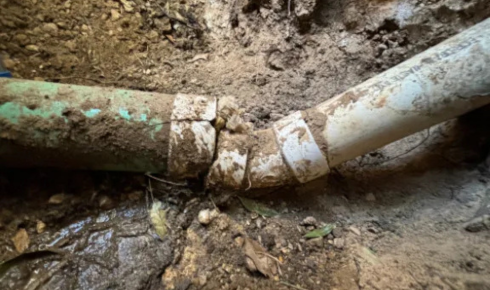
Mineral deposits can accumulate inside pipes, restricting water flow and increasing pressure within the system.
Appliances forced to work harder consume more energy, leading to higher utility bills.
Over time, these hidden costs can add up significantly.
Addressing hard water early helps prevent these issues and protects home infrastructure.
How Preventative Care Saves Time and Money
Routine maintenance plays a crucial role in keeping water softening systems effective.
Regular inspections allow technicians to monitor salt levels, clean resin beds, and identify worn components before they fail.
Preventative care not only ensures consistent water quality but also helps avoid costly repairs.
Simple habits, such as checking system settings and scheduling annual servicing, can make a significant difference.
For many homeowners, maintenance becomes a small investment that delivers long-term savings.
The Emotional Side of Reliable Water
Water quality isn’t just a technical issue — it also affects emotional well-being.
Reliable, comfortable water supports relaxation, hygiene, and everyday convenience.
When water problems arise, they can create ongoing frustration and uncertainty.
Restoring water quality often brings an unexpected sense of relief.
Knowing that systems are functioning properly provides peace of mind.
Why Hard Water Is So Common
Hard water affects millions of households worldwide, particularly in regions with mineral-rich groundwater.
Because its effects develop gradually, many homeowners adapt without realizing the underlying cause.
Education plays an important role in helping people recognize symptoms and explore effective solutions.
Understanding water chemistry empowers homeowners to make informed decisions about treatment options.
The Environmental Benefits of Soft Water
Treating hard water doesn’t just improve comfort — it also supports sustainability.
Soft water reduces detergent usage, lowers energy consumption, and improves appliance efficiency.
These benefits contribute to both environmental conservation and cost savings.
For homeowners interested in energy efficiency, water treatment systems can play a valuable role.
The Bigger Picture: Water Quality as Part of Home Health
Clean, comfortable water supports more than convenience — it contributes to overall household well-being.
Proper water treatment helps maintain plumbing systems, improve appliance performance, and enhance daily living experiences.
Ignoring water quality issues can lead to ongoing frustration and hidden costs.
Recognizing the importance of water quality encourages proactive care.
The Bottom Line: Pay Attention to What Your Water Is Telling You
Hard water rarely announces itself loudly.
Instead, it reveals its presence through small, persistent signs — cloudy glassware, dry skin, scale buildup, and reduced appliance efficiency.
By understanding these signals, investing in proper treatment systems, and maintaining them regularly, homeowners can protect their homes and improve daily comfort.