We talk a lot about nutrition. About superfoods, protein intake, cutting sugar, adding greens. But water — the thing we consume more than anything else — rarely gets the same thoughtful attention. It’s just there. Running from the tap. Filling our bottles. Boiling for pasta.
Until one day, you take a sip and pause.
Maybe it tastes slightly metallic. Maybe it smells faintly like chlorine. Or maybe it’s fine, technically, but not exactly refreshing. That tiny hesitation is often what nudges people toward reconsidering their home’s water quality.
And once you start paying attention, you realize how much water influences daily life.
Taste Is the First Clue
For most people, flavor is the gateway concern. You don’t need a lab report to know when something tastes off. Water that’s overly chlorinated or carrying trace minerals can leave a lingering aftertaste. It’s subtle, but it’s there.
When filtration systems are installed properly, one of the first noticeable changes is improved taste. Coffee feels cleaner. Tea doesn’t carry that faint chemical note. Even plain water becomes more enjoyable to drink.
That may sound minor, but it has a ripple effect. If water tastes better, you’re more likely to reach for it. More likely to refill your glass instead of grabbing a sugary drink.
And that’s where the benefits begin to compound.
Drinking More Without Forcing It
Hydration advice is everywhere. “Drink eight glasses a day.” “Carry a reusable bottle.” “Add lemon if it helps.” We know we should drink more water — but if the taste isn’t appealing, it becomes a chore.
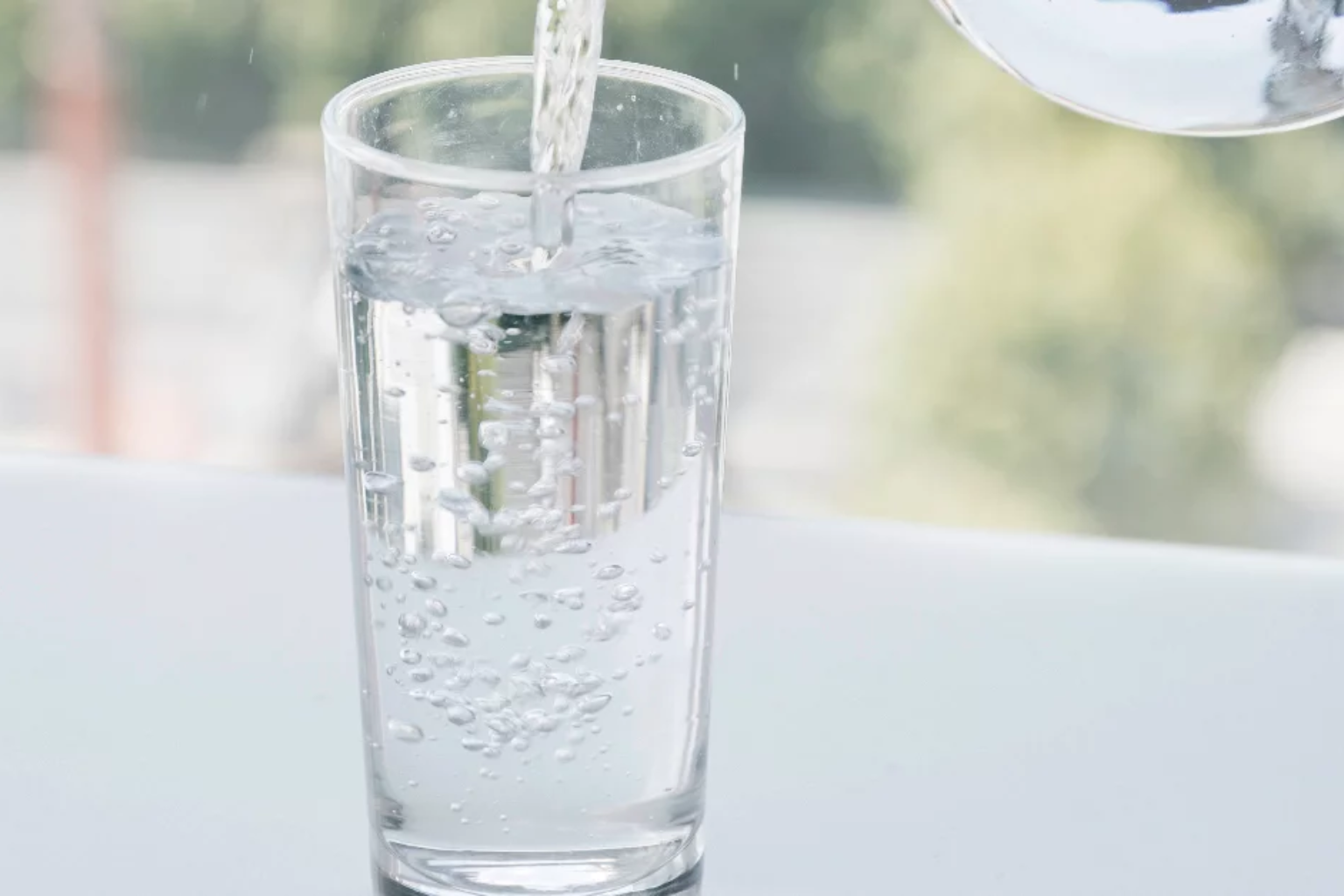
Cleaner, fresher water encourages better hydration almost automatically. When water feels crisp and neutral, you don’t have to convince yourself to drink it. You just do.
Think about it. When you’re traveling somewhere with naturally good-tasting water, you probably drink more without thinking twice. The same principle applies at home.
Better hydration supports energy levels, digestion, skin health, and overall well-being. It’s foundational. And yet, it often hinges on something as simple as whether your water tastes inviting.
Beyond Flavor: What’s Actually in the Glass?
Taste is only part of the story. Many homeowners explore filtration because they want more confidence in what they’re consuming.
Municipal water supplies generally meet safety standards, but that doesn’t mean they’re perfect. Aging pipes, environmental factors, and treatment chemicals can leave trace substances behind. For families with children or elderly members, that uncertainty can be unsettling.
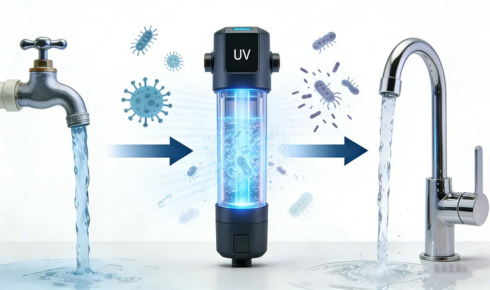
Investing in systems that deliver healthier water isn’t about fear — it’s about refinement. Advanced filtration can reduce chlorine, sediment, certain heavy metals, and other impurities that affect quality.
It’s the difference between “acceptable” and “optimized.”
And when you think about how often you drink, cook, and wash with water, optimization starts to feel pretty logical.
The Everyday Impact You Didn’t Expect
Once water quality improves, you start noticing small changes.
Ice cubes look clearer. Soups taste brighter. Even fresh fruit rinsed under the tap seems cleaner. There’s a subtle psychological shift too — a sense of ease in knowing the basics are handled.
Water touches so many parts of life. You use it to make baby formula. To brew morning coffee. To hydrate after a workout. It’s woven into routines we rarely question.
Improving it isn’t flashy. It’s not something guests immediately notice. But you do.
Finding the Right Solution
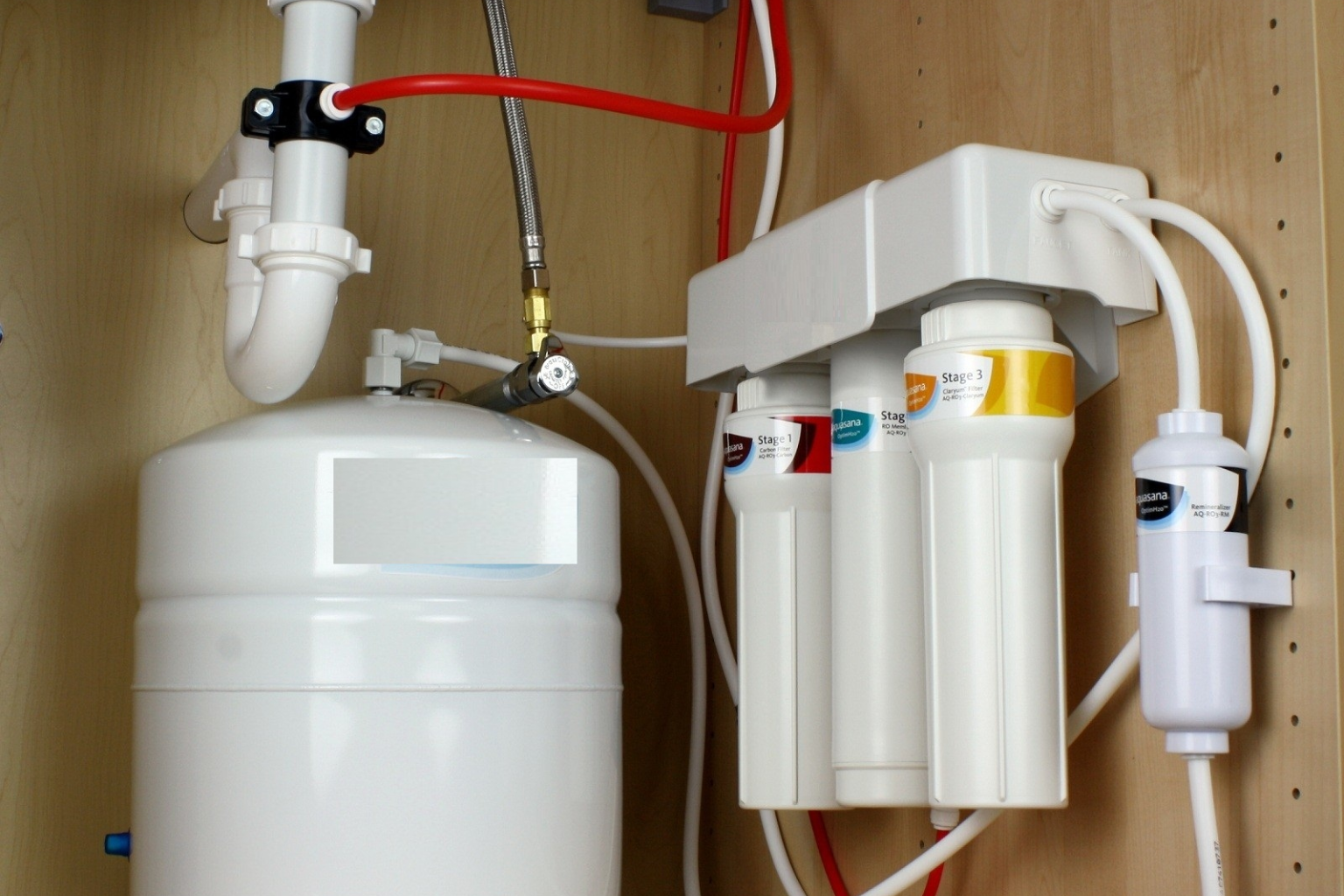
The world of water filtration can feel overwhelming at first. Pitcher filters, under-sink systems, whole-house setups — each comes with pros and cons.
The key is starting with information. A simple water test reveals what you’re working with: hardness levels, chlorine concentration, possible contaminants. Once you know that, the options become clearer.
If taste is your main concern, a carbon-based system might suffice. If your region has higher mineral content or specific contaminants, more advanced solutions may be necessary.
It’s not about buying the most expensive system. It’s about choosing what aligns with your household’s needs.
The Financial Perspective
There’s always a cost conversation. Filtration systems require upfront investment and periodic maintenance. Filters need replacing. Components need checking.
But consider the alternative. Bottled water purchases over months and years. Replacing appliances damaged by mineral buildup. The intangible cost of doubt every time you pour a glass.
When you view it long-term, the math often makes sense.
Plus, reducing reliance on bottled water is an environmental win. Fewer plastic bottles. Less waste. A smaller footprint.
A Small Shift With Big Returns
We tend to chase dramatic health upgrades — new diets, fitness routines, supplements. But sometimes the most impactful changes are simpler.
Water is foundational. It’s the base of your coffee, your smoothies, your soups. It’s what you reach for when you’re thirsty, tired, or overheated.
Improving it doesn’t require a lifestyle overhaul. It’s a quiet adjustment that enhances what you already do every day.
If you’ve ever hesitated before drinking straight from the tap, that’s a signal worth listening to. Not because something is necessarily wrong — but because something could be better.
And when water tastes clean, feels refreshing, and supports your well-being without second thought, it becomes what it was always meant to be: effortless.
In the end, better water isn’t about luxury. It’s about everyday comfort, subtle confidence, and small habits that add up over time.
Sometimes, taking a second look at what’s in your glass is the simplest way to start improving your health — one sip at a time.