There’s a certain helpless feeling that hits when water starts flowing where it shouldn’t. It’s not the calm, predictable flow you rely on every day — it’s chaotic, fast, and strangely loud. One moment your home feels normal, the next you’re scrambling for towels, shutting off valves, and trying to figure out what just happened.
Plumbing failures rarely arrive gently. They tend to show up with urgency, often when you least expect them. And in those moments, it becomes very clear how much of daily comfort depends on systems we rarely think about.
Understanding how these problems occur — and how to respond — can make a big difference in protecting both your home and your peace of mind.
The Hidden Pressure Inside Your Pipes
Most plumbing systems operate under constant pressure. Water moves through pipes every day, carrying both temperature changes and mineral content that gradually affect pipe integrity.
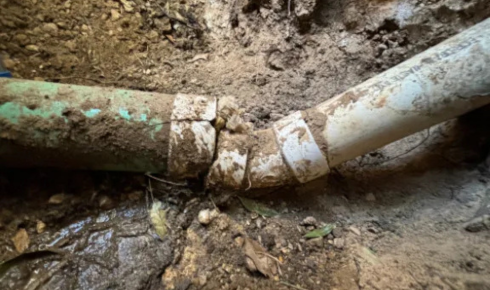
Over time, pipes can weaken due to corrosion, shifting foundations, or internal buildup. In colder climates, freezing temperatures can also cause pipes to expand and crack.
When pressure becomes too much for aging or damaged pipes, a burst pipe can occur suddenly. Water escapes rapidly, often flooding walls, floors, and ceilings within minutes.
This type of failure requires immediate action — shutting off the main water supply is always the first step to minimizing damage.
Why Drainage Problems Often Go Unnoticed
While supply lines attract attention when they fail dramatically, drainage systems create problems more quietly.
Over time, grease, soap residue, hair, and debris accumulate inside pipes. These materials gradually narrow the passageway for wastewater, slowing drainage.
At first, the change may seem minor — water draining more slowly than usual. But eventually, a severe drain blockage can form, causing water to back up into sinks, tubs, or floor drains.
Unlike leaks, blockages tend to build over time, giving subtle warnings that are easy to overlook.
Regular cleaning and early intervention help prevent these situations from escalating.
The Most Disruptive Plumbing Failure
Few plumbing issues are as distressing as a sewer backup. Unlike localized leaks or clogs, sewer problems affect the entire wastewater system.
When sewer lines become blocked or damaged, wastewater can reverse direction and enter the home through drains. This creates not only structural damage but also serious health risks.
Common causes of sewer backups include tree root intrusion, pipe collapse, or accumulated debris within the main line.
Professional inspection using specialized cameras is often required to identify and resolve these issues effectively.
The Financial Cost of Water Damage
One of the most challenging aspects of plumbing failures is how quickly repair costs can escalate. Water spreads rapidly, soaking building materials and promoting mold growth.
What begins as a pipe leak can lead to:
- Damaged drywall and flooring
- Electrical system risks
- Structural weakening
- Expensive restoration projects
Early intervention significantly reduces these secondary costs.
Preventive maintenance often proves far less expensive than emergency repairs.
The Emotional Toll of Unexpected Plumbing Issues
Beyond financial concerns, plumbing failures create emotional stress. Discovering water damage late at night or dealing with contaminated wastewater can feel overwhelming.
These situations disrupt routines, require urgent decisions, and often involve extensive cleanup efforts.
Reliable plumbing systems provide more than functionality — they offer peace of mind. Knowing that your home’s infrastructure is stable allows you to focus on everyday life without constant worry.
Comfort, after all, is as much emotional as it is physical.
Recognizing Early Warning Signs
Plumbing emergencies rarely happen without warning. Most systems provide subtle indicators before a major failure occurs.
Signs to watch for include:
- Unusual noises in pipes
- Persistent slow drainage
- Discolored water
- Sudden pressure changes
- Unexplained damp areas
Addressing these signals early helps prevent costly damage later.
Routine inspections play a key role in identifying potential risks before they escalate.
The Role of Professional Expertise
Modern plumbing systems combine complex infrastructure with advanced technology. Diagnosing and repairing issues requires specialized knowledge and tools.
Professional technicians use equipment such as leak detection sensors, pipe inspection cameras, and high-pressure cleaning systems to resolve problems efficiently.
More importantly, experienced plumbers can identify underlying causes rather than just treating symptoms.
This approach ensures long-term reliability rather than temporary fixes.
Preventive Steps Homeowners Can Take
While some plumbing failures are unavoidable, proactive measures can significantly reduce risk.
Simple preventive actions include:
- Scheduling regular plumbing inspections
- Monitoring water pressure levels
- Cleaning drains periodically
- Addressing minor leaks promptly
- Insulating exposed pipes in cold climates
These steps help maintain system health and minimize emergency situations.
Prevention remains the most effective strategy for protecting both property and comfort.
A Final Thought: Stability Comes from Awareness
Plumbing systems quietly support daily life, ensuring water flows where it’s needed and drains away safely. Most of the time, they operate unnoticed.
But when failures occur, their impact becomes immediate and disruptive.
Understanding common causes, recognizing early warning signs, and investing in preventive maintenance helps protect both your home and your peace of mind.