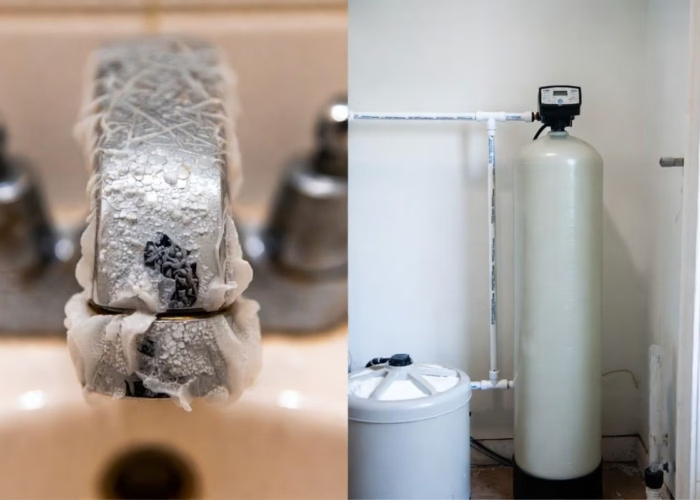
A glass of tap water can look perfectly clear and still have a noticeably unpleasant taste. Perhaps you’ve experienced a lingering mineral flavor or noticed that your homemade coffee never tastes quite as good as expected. These little things can leave you wondering whether your existing water filter is doing enough.
Installing reverse osmosis filtration for dissolved solids can help homeowners address specific substances that conventional particle filters aren’t designed to remove effectively.
For families in Burton, specialized drinking water filtration offers a convenient way to improve water quality without depending entirely on bottled alternatives.
However, getting the most out of this technology involves choosing suitable equipment, arranging proper installation, and understanding what it takes to maintain reliable treatment performance.
Understanding Dissolved Solids in Your Tap Water
Water naturally collects dissolved substances as it travels through soil, rock formations, and distribution networks.
These substances may include calcium, magnesium, sodium, and various other dissolved salts. Their combined concentration is commonly referred to as total dissolved solids, or TDS.
Not all dissolved substances are harmful. Some naturally occurring minerals even contribute to the taste of drinking water.
However, elevated concentrations can sometimes create undesirable flavors or indicate water conditions that deserve further investigation.
A basic TDS reading provides useful information about overall dissolved solid concentration, but it doesn’t identify individual contaminants or establish drinking water safety.
More comprehensive testing may therefore be necessary.
Understanding these distinctions can help homeowners select treatment equipment based on reliable information rather than misleading assumptions.
Why Proper Reverse Osmosis Installation Matters
Buying a filtration system is relatively straightforward. Making sure it works effectively within your household plumbing requires a little more attention.
Arranging professional RO system installation can help homeowners establish suitable plumbing connections, evaluate water pressure, and position equipment where routine maintenance remains accessible.
Most residential reverse osmosis systems are installed beneath the kitchen sink. A dedicated faucet then provides convenient access to treated drinking water.
Storage tank models require enough cabinet space to accommodate their components, while tankless systems may require an electrical connection.
Proper drainage arrangements are also necessary because reverse osmosis produces a concentrated reject water stream.
After installation, the equipment should be flushed according to manufacturer instructions and checked for leaks and correct operation.
Getting these details right from the beginning can prevent unnecessary headaches later.
The Importance of Having Reliable After-Sales Assistance
Water filtration equipment isn’t something most homeowners think about every day. Once installed, it tends to disappear into the background of ordinary household life.
Having access to dependable drinking water filtration support can make a considerable difference when replacement filters are needed, water flow becomes restricted, or treatment performance unexpectedly changes.
Before purchasing a system, ask about warranty coverage, servicing arrangements, and replacement component availability.
A knowledgeable service provider should also explain maintenance requirements in straightforward language.
Nobody wants to spend an afternoon trying to understand a complicated instruction manual simply because their drinking water faucet has stopped working properly.
Dependable assistance can make long-term ownership easier and help preserve the equipment’s intended treatment performance.
How Reverse Osmosis Goes Beyond Ordinary Carbon Filters
Activated carbon filtration can be highly useful for reducing certain unwanted tastes, odors, and contaminants. However, it isn’t generally designed to reduce the broad range of dissolved salts addressed by membrane filtration.
Reverse osmosis uses water pressure to move water through a semipermeable membrane.
Many dissolved substances are rejected by the membrane and carried away in a separate discharge stream.
Preliminary sediment and carbon filters often help protect the membrane, while a final polishing filter may improve treated water taste.
Depending on verified equipment capabilities, this process can reduce various dissolved salts, nitrates, certain metals, and other targeted substances.
Still, additional treatment may be necessary for particular contaminants or microbial concerns identified through water testing.
Bringing Better Water Into Your Everyday Kitchen Routine
Think about how often water becomes part of your daily routine without receiving much attention.
There’s the oatmeal you prepare for breakfast, the coffee you brew before work, and the soup simmering on the stove in the evening.
When water has an objectionable taste, those characteristics can sometimes influence the finished food or beverage.
Suitable filtration may provide a more neutral-tasting starting point, although individual preferences regarding mineral content vary.
Having treated water readily available can also make filling reusable bottles considerably more convenient.
And really, there’s something satisfying about opening the refrigerator and finding more room for groceries instead of several bulky packages of bottled water.
Considering the Long-Term Cost of Reverse Osmosis
The advertised equipment price doesn’t tell the entire story.
Replacement cartridges, membrane servicing, water consumption, and electricity requirements for certain models contribute to ongoing ownership expenses.
Compare water recovery efficiency when evaluating different systems, particularly if your household consumes substantial amounts of drinking water.
It’s also worth estimating your current spending on packaged water to determine whether home filtration might offer financial benefits over time.
Follow manufacturer maintenance recommendations and arrange appropriate follow-up testing when treatment addresses potentially harmful contaminants.
Remember that pleasant-tasting water alone doesn’t establish drinking water safety.
Making a Lasting Improvement to Your Household Water
For Burton homeowners, improving drinking water begins with understanding the incoming supply and selecting equipment with demonstrated treatment capabilities.
A properly installed and maintained reverse osmosis system can provide a practical approach to managing specific dissolved substances while improving everyday convenience.
Ultimately, investing in better water isn’t about filling your kitchen with complicated technology. It’s about making something you depend on every day more enjoyable and accessible.
From preparing a comforting homemade meal to enjoying a refreshing glass of water after work, the simplest household improvements are sometimes the ones that bring the greatest everyday satisfaction.