Water is part of almost every routine at home. We use it to make morning coffee, prepare dinner, wash clothes, and cool off with a shower after a long day. Most of the time, we don’t give it much thought. That changes when the water starts leaving orange marks on the sink, develops an unusual smell, or tastes different from what we’re used to.
For Florida homeowners, understanding these changes can be particularly important. Water conditions vary from one community to another, and factors such as mineral content, plumbing, groundwater conditions, and local treatment practices can affect what comes out of the tap. The answer isn’t necessarily an expensive filtration system. Often, the best place to begin is with a little testing, a few sensible questions, and advice that fits the home.
Every Water Problem Has a Story
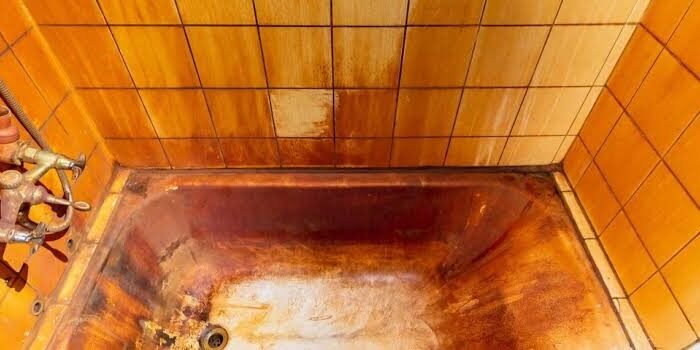
A water problem rarely looks exactly the same in every household. One family may struggle with white mineral deposits around faucets, while another notices reddish stains in the bathtub. Someone else might complain that drinking water smells strongly of chlorine or leaves an unpleasant aftertaste.
These symptoms can offer clues, but they don’t tell the whole story. White scale is often associated with calcium and magnesium, which contribute to hard water. Orange-brown stains may be related to iron, while a chlorine-like odour can be associated with disinfectants used in public water systems. Cloudiness may come from suspended particles, trapped air, or other causes.
It’s tempting to choose a filter based on the first symptom you notice. That can work in some straightforward situations, but it can also lead to wasted money. A sediment filter, for example, is designed to capture particles; it won’t necessarily reduce dissolved minerals or every substance that affects taste.
Start by observing when the problem occurs. Is it present at every faucet? Does it affect hot water only? Has the issue appeared suddenly, or has it been happening for months? Small details like these can help narrow down the cause.
Why Testing Is a Sensible First Step
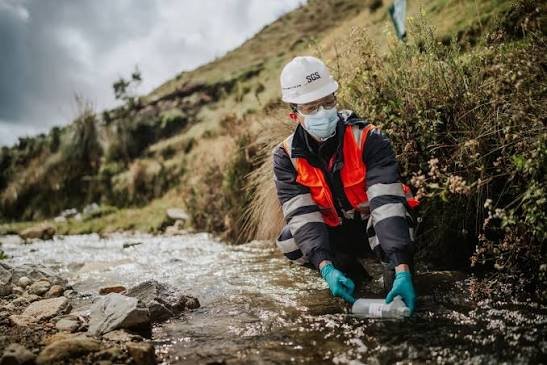
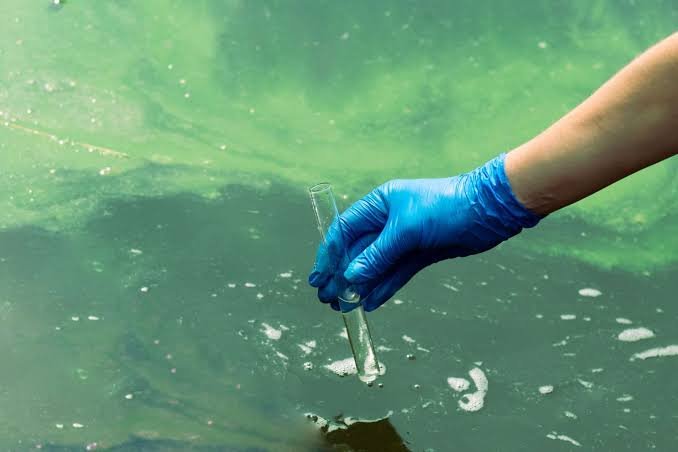
Water testing provides information that appearance alone cannot offer. Depending on the method, a test may measure hardness, pH, iron, chlorine, or other characteristics. If there’s concern about a particular contaminant, more specialised laboratory testing may be appropriate.
A free water test can be a convenient starting point for homeowners who want to understand their water before investing in equipment. Before arranging one, ask what the test measures, whether it involves laboratory analysis, and how the results will be explained. A basic on-site screening can be useful, but it shouldn’t be mistaken for a comprehensive assessment of every possible contaminant.
If your home uses a private well, routine testing is especially important because groundwater conditions can change. Homes connected to public water systems can also benefit from checking the local water-quality report and considering whether plumbing inside the property might be affecting the water.
The purpose of testing isn’t to create unnecessary worry. It’s to help you distinguish between an inconvenience, a treatment need, and a potential health concern that deserves further investigation. Clear results make it easier to choose an appropriate response instead of buying equipment based on guesswork.
Choosing the Right Treatment for Your Home
Once you understand the problem, selecting a treatment system becomes much more straightforward. Different technologies serve different purposes, and the best option depends on the substances present, the household’s water use, and the desired outcome.
Activated carbon filters may help reduce chlorine taste and odour when designed for that purpose. Water softeners reduce hardness minerals that can contribute to scale buildup. Specialised iron filters can help address iron-related staining, while reverse osmosis systems can reduce many dissolved substances from drinking water, depending on their design and tested performance.
Some households benefit from whole-home filtration, which treats water as it enters the building. Others may only need a filter beneath the kitchen sink for drinking and cooking. There’s no need to treat every faucet if the main concern is limited to one use, although a broader solution may be appropriate when the problem affects the entire home.
Pay attention to system capacity, flow rate, installation space, and maintenance requirements. A unit that works well in a small household may not provide enough flow for a larger property with several bathrooms. Ask whether replacement filters are easy to obtain and how frequently they need to be changed.
Most importantly, look for independent certifications or test data that support the system’s claims. No single filter removes every possible contaminant, so recommendations should be specific about what the equipment is designed to reduce.
Local Knowledge Can Make the Process Easier
Water conditions can vary significantly across Florida. A homeowner in one community may deal mainly with hardness, while another may have concerns about iron, taste, odour, or a specific contaminant. Even neighbouring properties can have different needs, especially when their water sources or plumbing systems differ.
A provider familiar with the local area may be able to explain common concerns and recommend suitable testing. Still, local experience should complement actual results rather than replace them. A treatment system should be chosen because it fits the home’s water conditions, not simply because it’s popular in the region.
When researching providers, check whether they explain their recommendations clearly, provide written estimates, and offer information about installation and ongoing service. Ask what a proposed system will and won’t do. A trustworthy professional should be comfortable discussing limitations as well as benefits.
For homeowners comparing local options, it helps to confirm the provider’s service area before arranging an appointment. This simple step can prevent scheduling delays and make it easier to understand which testing, installation, or maintenance services are available at your address.
Serving Florida Communities With Practical Solutions
Reliable service involves more than installing a filter and leaving. Homeowners may need help interpreting test results, replacing filter media, inspecting equipment, or investigating a water problem that has returned. Having access to ongoing support can make a real difference, especially when a system requires regular maintenance.
For a business serving florida in the following areas, clear communication about coverage, appointment availability, and service options helps customers know what to expect. A useful service process should begin with understanding the homeowner’s concern, continue with appropriate testing or assessment, and end with a recommendation that makes sense for the property.
Before approving work, request a written estimate outlining equipment, installation, maintenance, and any additional plumbing changes. Compare options that address the same problem, rather than choosing solely by the lowest advertised price. The initial purchase cost is only part of the picture; replacement filters, service visits, and long-term upkeep matter too.
Be cautious of claims that every home needs the same system or that one device will remove every unwanted substance. Water treatment should be based on evidence and realistic expectations.
Maintenance Helps Protect Your Investment
Once a system is installed, keeping it in good condition is part of the plan. Filters gradually collect particles or reach the end of their recommended service life. Some systems require backwashing, sanitising, or replacement of specialised components. If maintenance is neglected, performance may decline and the original issue can return.
Keep a record of installation dates and replacement intervals. Follow the manufacturer’s guidance and pay attention to changes in taste, smell, colour, or water pressure. If something changes unexpectedly, investigate the cause rather than assuming the filter is the only possible explanation.
A Clearer Path to Better Water
Improving household water doesn’t have to be complicated. Begin with the symptoms, use appropriate testing to understand the cause, and compare treatment options that address the actual problem. Consider maintenance and long-term costs alongside initial performance, and ask questions whenever a recommendation isn’t clear.
Florida homes don’t all have identical water needs, and that’s precisely why a thoughtful approach matters. With reliable information and a solution matched to the household, homeowners can reduce recurring frustrations, make more confident decisions, and enjoy water that better suits their everyday needs.