Water problems have a way of sneaking into everyday life. One morning, you notice white marks around the kitchen tap. A few days later, your drinking water tastes different, or the shower leaves your skin feeling unusually dry. At first, these things seem minor. You wipe away the stains, clean the kettle, and carry on. Eventually, though, you start wondering whether there’s a better way to manage your home’s water.
The answer isn’t always an expensive filtration system or a complicated plumbing upgrade. Sometimes, a simple filter will do the job. Other situations call for testing, specialized equipment, or advice from someone who understands local water supplies. Knowing where to begin can save you money, time, and quite a bit of frustration.
Start by Paying Attention to Everyday Signs
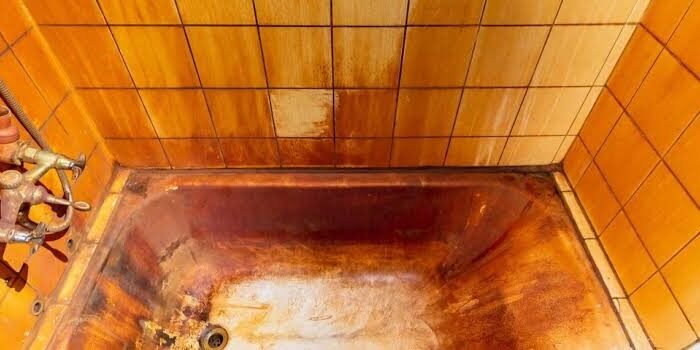
Your water can offer clues about what’s happening, although those clues don’t tell the whole story. Chalky deposits on faucets and showerheads often point to hard water, which contains elevated levels of minerals such as calcium and magnesium. A chlorine-like smell may come from municipal disinfection, while reddish stains could be associated with iron in the supply.
These signs can be useful, but they shouldn’t be treated as a diagnosis. Water that looks perfectly clear may contain contaminants that cannot be seen, smelled, or tasted. On the other hand, a strange taste doesn’t automatically mean the water is dangerous.
Think about when the problem occurs. Does the taste change throughout the day? Are stains appearing at every tap or only in one bathroom? Has the water changed suddenly after heavy rain or plumbing work? Small observations can help narrow down the possibilities.
Keeping a few notes about what you notice is surprisingly helpful. If you eventually arrange testing or speak with an installer, you’ll have something more useful to share than a vague feeling that the water just isn’t right.
Why Your Water Source Makes a Difference
Not every household receives water in the same way. Some properties rely on municipal supplies that undergo treatment and routine monitoring. Others use private wells, borewells, or locally managed systems, where water quality can depend heavily on groundwater conditions and nearby activities.
Understanding your source is an important part of choosing a solution. Municipal water may already be disinfected, for example, so a homeowner mainly concerned about taste could benefit from a suitable carbon filter. A private well may require more extensive testing for bacteria, nitrate, or naturally occurring contaminants, depending on the location.
Local geology matters, too. In some areas, groundwater contains high levels of hardness minerals or iron. Elsewhere, the main concern may be salinity or a particular chemical contaminant. That’s why a product that works beautifully for a neighbor might not deliver the same results in your home.
Your water conditions should guide the decision, not a persuasive advertisement or a friend’s recommendation. Testing can help identify the substances present and establish which treatment methods are appropriate.
Choosing Equipment Without Getting Overwhelmed
Walk into the market for water treatment equipment, and you’ll quickly find a long list of options. Pitcher filters, faucet attachments, under-sink units, reverse osmosis systems, softeners, and whole-house filters all promise different benefits. It’s easy to assume that more stages or a higher price must mean better performance. That isn’t necessarily true.
Each technology has a particular purpose. Activated carbon filters can improve chlorine taste and odor and may reduce certain contaminants when designed and certified for them. Reverse osmosis systems can reduce many dissolved substances, including some salts and metals. Water softeners primarily address hardness minerals, helping limit scale buildup in plumbing and appliances.
Whole-house systems treat water entering the property, which can be useful when the concern affects several fixtures. Under-sink systems usually focus on drinking and cooking water, making them a practical option for households that want treatment at the kitchen tap.
The important question is simple: what do you need the equipment to accomplish? If your only concern is an unpleasant taste, a large whole-house installation may be unnecessary. If testing identifies a specific contaminant, a basic taste-and-odor filter may not be enough.
The Difference Good Advice Can Make
Buying water treatment equipment is only part of the process. You also need to understand what it can do, how it should be installed, and what it won’t solve. That’s where an experienced professional can make a real difference.
A reliable water treatment experience starts with listening rather than selling. Someone assessing your home should ask about your water source, the problems you’ve noticed, household usage, and any available test results. They should explain the available options in straightforward language and make clear which claims are supported by product certifications.
Be cautious if a salesperson promises to remove every contaminant with one device or insists that you need expensive equipment before examining your water. Good advice leaves room for questions. It should also include realistic information about installation costs, filter replacements, water use, and ongoing servicing.
Ask for written details about the recommended system and its performance. If the equipment is intended to reduce a particular contaminant, verify that the relevant reduction claim has been independently tested or certified. This extra step can prevent an expensive purchase that doesn’t address the problem you actually have.
Why Installation and Maintenance Matter
Even a well-designed system can disappoint when it’s installed incorrectly or neglected. Poor connections may cause leaks, unsuitable pressure can affect performance, and an awkward installation can make routine servicing more difficult than it needs to be.
Before installation, check whether the equipment needs a drain connection, electricity, additional plumbing, or a specific operating pressure. Make sure there’s enough room to replace cartridges and access important components. These details aren’t exciting, but they’re much easier to handle before the work begins.
Regular maintenance is equally important. Filters need replacing according to the manufacturer’s instructions and the quality of the incoming water. Some systems require periodic sanitation, while others need additional supplies or specialist checks. Keep a record of service dates so replacements don’t slip your mind.
If your water source is a private well, continue testing it at appropriate intervals even after treatment equipment is installed. A filtration unit only addresses the contaminants it’s designed to reduce, and the quality of the source can change over time.
When It’s Time to Call a Specialist
Some water problems are straightforward enough to investigate yourself, but others deserve professional attention. Sudden changes in water color, unusual odors, recurring sediment, or concerns about possible contamination are good reasons to seek reliable guidance. If several taps are affected, the cause may be different from a problem limited to one fixture.
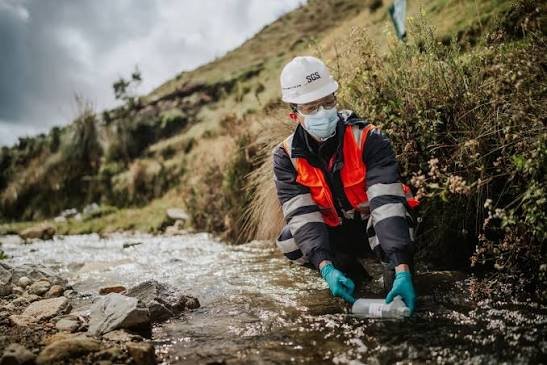
Qualified water experts can help interpret test results, compare treatment methods, and determine whether the issue involves the supply, household plumbing, or both. For health-related concerns, consult an appropriately certified laboratory and the relevant public health or water authority rather than relying on a product demonstration.
A useful consultation should leave you better informed, even if the answer turns out to be a relatively simple fix. You shouldn’t have to feel pressured into purchasing a complete treatment package just to get clear advice.
Making a Choice That Works for Your Home
Better water doesn’t always require the biggest budget or the most advanced equipment. It starts with understanding what you’re experiencing, finding out what’s actually in your water, and choosing a solution that addresses the evidence.
Take your time comparing products, ask practical questions, and consider the long-term costs alongside the purchase price. A reliable system should fit your household’s needs and be straightforward to maintain.
Water is too important to leave entirely to guesswork. With a little research and the right guidance, you can make a confident decision, improve everyday comfort, and feel more at ease every time you turn on the tap.