Water is one of those things most of us take for granted until something seems wrong. You turn on the kitchen tap, fill a glass, and notice an unusual taste. Maybe the shower leaves a chalky film on the tiles, or the laundry comes out looking less than fresh. These little frustrations can become part of the daily routine, but they may also be signs that your water needs closer attention.
The good news is that many common water quality problems can be managed with the right approach. The trick is knowing what you’re dealing with before spending money on equipment. Water treatment isn’t a one-size-fits-all business, and a system that works beautifully in one home might be unnecessary or ineffective in another.
When Water Doesn’t Feel Quite Right
Water problems often announce themselves through everyday clues. Soap may refuse to lather properly, glasses might develop cloudy spots after washing, or a metallic taste may linger long after you’ve taken a sip. Sometimes the signs are obvious. Other times, water looks perfectly clear but still contains substances that deserve attention.
One common issue is hard water, which contains elevated levels of dissolved minerals, primarily calcium and magnesium. These minerals aren’t generally considered a health concern at typical drinking-water levels, but they can create practical headaches around the house. Mineral deposits may collect inside kettles, showerheads, pipes, and water heaters. Soap can also react with these minerals, leaving residue on skin, hair, and bathroom surfaces.
A water softener can help reduce hardness by exchanging calcium and magnesium ions for other ions, commonly sodium. However, a softener isn’t a universal purifier. It doesn’t remove every unwanted substance, so it’s important to understand the limits of the technology before choosing one.
The Trouble With Stains, Odors, and Unusual Colors
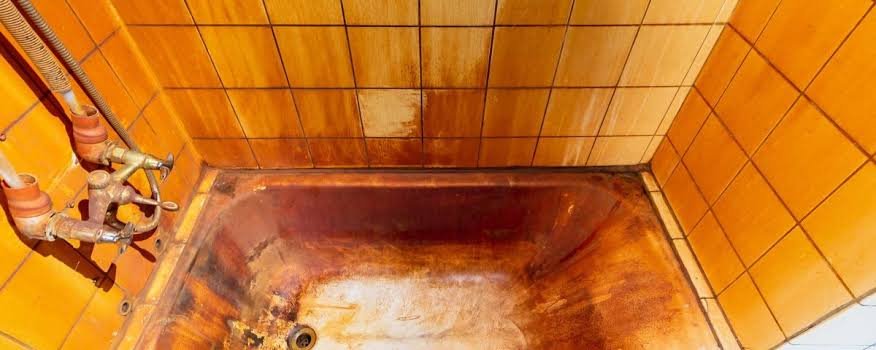
Few things make a bathroom look neglected faster than reddish-brown marks around a sink or bathtub. In some homes, similar discoloration appears in laundry, toilet bowls, and kitchen fixtures. These marks can be stubborn, and ordinary cleaning products don’t always solve the underlying problem.
In many cases, iron stains are associated with iron in the water. When dissolved iron comes into contact with oxygen, it can oxidize and form reddish or brown particles that settle on surfaces. Manganese may cause darker, sometimes blackish stains. The exact cause depends on the water chemistry and conditions inside the plumbing system.
Treatment depends on how much iron or manganese is present and in what form. Options may include oxidation followed by filtration, specialized iron-removal filters, or other methods selected for the specific water supply. A simple sediment filter may catch some particles, but it won’t necessarily remove dissolved iron before it oxidizes.
That’s why testing matters. Guessing can lead to buying a filter that doesn’t do the job, followed by more expense and another round of frustration. If stains keep returning, ask a qualified water treatment professional to investigate the cause rather than treating each mark as an isolated cleaning problem.
What You Can’t See May Matter Most
Clear water isn’t automatically safe water. Some water quality concerns affect taste, color, or odor, while others are difficult to detect without laboratory analysis. Depending on the source and local conditions, water may contain contaminants such as bacteria, nitrates, arsenic, lead, or certain industrial chemicals.
Not every water supply faces the same risks. Private wells, for instance, can be influenced by nearby agricultural activity, septic systems, flooding, and local geology. Municipal supplies are generally treated and monitored, but plumbing within a building can still affect water quality. Older pipes and plumbing fixtures may contribute lead, making appropriate testing important where that risk exists.
If your water comes from a private well, follow local public health guidance on routine testing and test promptly after flooding, repairs, or other events that could affect the supply. For drinking water concerns, use a qualified laboratory and choose tests based on the likely risks in your area.
It’s also worth remembering that boiling water has limits. It can kill many disease-causing microorganisms when done correctly, but it does not remove metals, nitrates, or most chemical contaminants. In some cases, boiling may actually concentrate substances that don’t evaporate. Always follow local health advisories if a water supply is considered unsafe.
Choosing a Treatment System That Actually Helps
Once you know what is causing the problem, selecting a suitable system becomes much easier. Different technologies serve different purposes, and the best choice depends on test results, water usage, installation conditions, and budget.
Activated carbon filters can improve taste and odor and reduce certain chemicals, depending on the filter’s design and certification. Reverse osmosis systems can reduce many dissolved substances, although performance varies by model and contaminant. Water softeners primarily address hardness, while ultraviolet systems can inactivate susceptible microorganisms when the water is properly pretreated and the equipment is correctly maintained.
Before buying, check whether the product has been independently certified for the specific reduction claims that matter to you. A label saying “water purifier” isn’t enough on its own. Look for clear information about what the system removes, its operating requirements, and the conditions under which it has been tested.
Consider maintenance, too. Filters have limited capacities, and some treatment systems need periodic cleaning, disinfection, or component replacement. If maintenance is overlooked, performance can decline. A lower-priced unit may seem attractive at first, but replacement cartridges and servicing can make a difference to its long-term cost.
Don’t Overlook the Plumbing
Sometimes the problem isn’t entirely in the incoming water. A home may have older pipes, a poorly maintained water heater, or fixtures that contribute to discoloration and metallic tastes. If the issue appears only at one tap, compare it with water from other outlets before assuming the whole property needs treatment.
For example, if water tastes unusual only in the kitchen, the faucet, its fittings, or a point-of-use filter may deserve inspection. If discoloration appears throughout the house, the source supply, storage tank, or plumbing network may need closer examination.
Letting water run briefly can help identify certain plumbing-related issues, but it isn’t a substitute for testing when contamination is a concern. If you suspect lead or another harmful substance, don’t rely on taste, appearance, or a home remedy to decide whether the water is safe.
A Practical Approach to Better Water
You don’t need to become a water chemistry expert to make a sensible decision. Start by noting what you’ve observed: unusual odors, mineral deposits, recurring stains, changes in taste, or concerns about your water source. Then arrange suitable testing and use the results to guide your next steps.
Ask treatment providers to explain their recommendations in plain language. Find out which specific problem a proposed system addresses, what evidence supports the recommendation, and how much maintenance it will require. Be cautious of anyone who promises to remove every possible impurity with one device.
Better water often begins with a straightforward process: identify the concern, confirm it through appropriate testing, and choose a treatment method designed for that particular issue. Sometimes the answer is a whole-house system. Sometimes it’s a simple filter, a plumbing repair, or no treatment equipment at all.
The aim isn’t to buy the most elaborate setup available. It’s to make water safer or more suitable for its intended use without unnecessary cost or complexity. With a little investigation and the right professional guidance, those cloudy glasses, persistent stains, and lingering concerns can become much easier to manage. And that’s a worthwhile improvement to everyday life.