There’s something easy to forget about water because it looks so ordinary. Turn on the tap, fill a glass, and move on with the day. But clear water isn’t necessarily clean water, and a strange taste or stubborn residue can sometimes be a clue that more is going on beneath the surface.
One of the most useful ways to understand household water quality is to look beyond appearance. Minerals, sediment, chlorine, metals, and other dissolved substances can affect how water tastes, smells, feels on your skin, and behaves around your home. That’s where water testing and the right filtration approach become genuinely useful—not just another home-maintenance task.
Start by Understanding What’s in Your Water
Every water supply has its own personality, so to speak. Municipal water and private well water can have very different characteristics. Even two homes in the same neighborhood may experience differences because of plumbing materials, groundwater conditions, or changes in the local supply.
A water test can provide a much clearer picture. One measurement people often encounter is total dissolved solids, or TDS. It represents the combined amount of dissolved substances in water, including minerals and salts. A higher number doesn’t automatically mean the water is unsafe, though. That’s an important distinction.
Looking at target dissolved solids as part of a broader water-quality assessment can help homeowners understand whether treatment may be useful. TDS is a general indicator, not a complete safety test. Specific contaminants need specific testing.
This is why simply buying a filter because a water report shows a high number isn’t always the smartest move. First understand the problem. Then choose the solution.
Taste and Smell Can Tell You Something
Have you ever poured a glass of water and noticed a chlorine-like smell? Or perhaps the water has a metallic, earthy, or slightly sulfur-like odor? These little details can be surprisingly informative.
Taste and odor issues may come from disinfectants, minerals, naturally occurring compounds, or problems within household plumbing. In well-water homes, sulfur-related odors are sometimes associated with hydrogen sulfide. In other situations, an unpleasant taste can be linked to chlorine or certain dissolved minerals.
Filtration can improve these sensory qualities, but the technology needs to match the issue. Activated carbon, for example, is commonly used to reduce chlorine and improve taste and odor. Other treatment methods are designed for minerals, sediment, metals, or specific contaminants.
The goal isn’t to make water “perfect.” It’s to make it appropriate for how you actually use it.
Better Drinking Water Starts at the Tap
Most people don’t think twice about filling a cooking pot or making coffee with tap water. Yet water is an ingredient in nearly everything we prepare. It goes into tea, soup, rice, pasta, ice cubes, baby formula, and plenty of other everyday foods.
When water has an unpleasant taste, you notice it. Sometimes the coffee tastes slightly off. Sometimes ice cubes carry an odd odor. And sometimes family members quietly switch to bottled water because they don’t enjoy drinking from the tap.
A properly selected treatment system can make tap water more pleasant and convenient. For households focused on improving their daily drinking and cooking experience, excellent drinking & cooking water can mean having cleaner-tasting water available directly from the faucet instead of constantly buying and storing bottles.
There’s also the practical side. Reducing dependence on bottled water can cut down on plastic waste, trips to the store, and the familiar pile of empty bottles waiting to be recycled.
Whole-Home Filtration Is About More Than Drinking
A common misconception is that water filtration is only about what you drink. But water touches almost everything in your home.
Think about showers, laundry, dishes, bathroom fixtures, appliances, and plumbing. Sediment can collect in fixtures. Hard-water minerals can contribute to scale. Certain water-quality issues may also affect the appearance of laundry or leave deposits around faucets and showerheads.
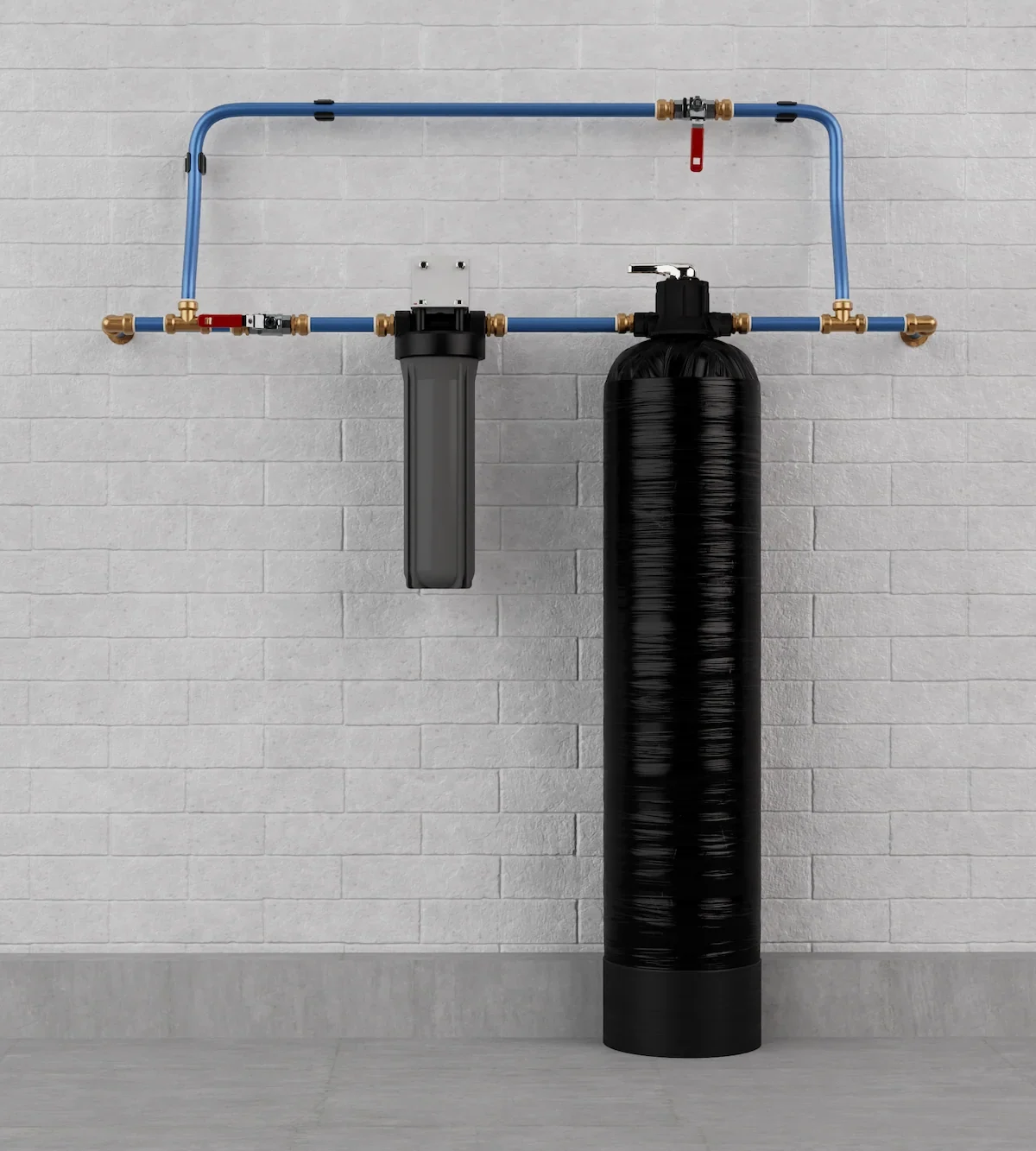
That’s where whole home filtration can become an attractive option. Instead of treating water only at one drinking-water faucet, a whole-home approach treats water as it enters the house, depending on the system and its capabilities.
Of course, not every home needs the same equipment. A house with sediment problems may require a different setup from one dealing primarily with chlorine, hardness, iron, or a particular contaminant. Good filtration starts with diagnosis rather than guesswork.
Don’t Confuse Filtration With Water Softening
This distinction trips up a lot of homeowners.
Water softeners are primarily designed to address hardness, which is commonly caused by calcium and magnesium. Hard water can leave scale on fixtures and appliances and may make soap behave differently.
A filtration system, on the other hand, can be designed to reduce sediment, chlorine, certain metals, unpleasant odors, and other substances depending on the technology used.
Sometimes a household benefits from both. For example, a home may need softening for hard water while also using filtration to improve taste and reduce other unwanted substances.
There isn’t a universal “best water filter.” The right combination depends on the water chemistry, the home’s plumbing, the household’s priorities, and how much water is being used.
Testing Should Come Before Buying Equipment
It’s tempting to see a dramatic product advertisement and think, “Yep, that’s what I need.” But water treatment isn’t really a one-size-fits-all purchase.
A basic water-quality assessment can identify concerns and help determine what type of treatment makes sense. For private wells especially, periodic testing is important because groundwater conditions can change.
Homeowners should consider testing for issues relevant to their water source and local conditions. Depending on the situation, that might include hardness, pH, bacteria, nitrates, iron, manganese, lead, or other contaminants.
Professional water-treatment providers can also help interpret test results. That’s valuable because a report full of numbers isn’t especially helpful if you don’t know which ones matter.
Maintenance Is Part of the Deal
Even a high-quality filtration system needs attention. Filters eventually become saturated, membranes need replacement, and mechanical components may require inspection.
Ignoring maintenance can reduce performance and, in some cases, create additional problems. It’s a bit like changing the oil in a car. The equipment may keep running for a while without attention, but that doesn’t mean it’s operating the way it should.
Keep track of filter-change schedules, follow the manufacturer’s recommendations, and pay attention to changes in taste, pressure, flow, or odor. A sudden change can be a useful reason to investigate the system.
A More Thoughtful Approach to Home Water
Good water treatment isn’t about chasing the biggest system or the longest list of features. It’s about understanding your water and choosing technology that solves the actual problem.
Start with testing. Consider how your household uses water. Think about drinking, cooking, bathing, laundry, appliances, and plumbing—not just the glass on the kitchen counter. Then compare treatment options based on performance, maintenance, cost, and long-term practicality.
At the end of the day, water quality is one of those home issues that tends to stay invisible until something goes wrong. A little attention beforehand can make everyday life easier. And when the water tastes better, smells better, and works better throughout the house, you notice the difference—even if you can’t quite put your finger on why.