Water is part of nearly everything we do, yet it’s easy to overlook until something goes wrong. A strange taste in drinking water, stubborn scale around faucets, or equipment that needs repairs more often than expected can all point to water quality issues. For businesses and industrial facilities, the consequences can be even more costly, affecting production schedules, operating expenses, and the reliability of essential equipment.
The good news is that water problems can often be managed with the right information and a practical plan. Rather than choosing a treatment system based on a trend or a sales pitch, it helps to understand what is actually in the water, how it is being used, and what needs to improve.
Why Water Quality Deserves More Attention
Water can look clear and still contain dissolved minerals, excess iron, unwanted chemicals, or other substances that affect its suitability for a particular use. Some issues are easy to notice. Others only become apparent after months of buildup, changing equipment performance, or repeated maintenance problems.
For a household, water quality may influence taste, laundry, bathing, plumbing, and the lifespan of appliances. In a commercial kitchen, it can affect beverage preparation, cleaning, and the performance of dishwashers. Manufacturing operations may need tightly controlled water conditions to protect products and maintain consistent processes.
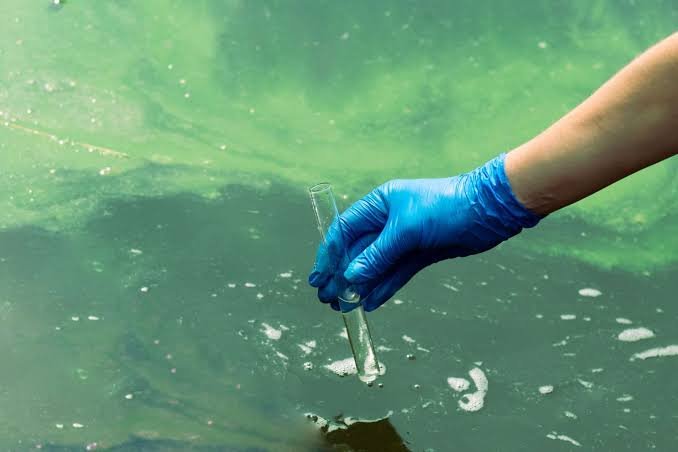
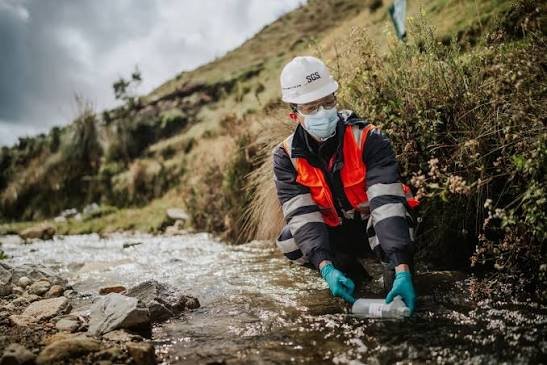
The goal is not necessarily to remove everything from water. It is to understand which characteristics matter and address them appropriately. Testing provides a useful starting point because it replaces assumptions with measurable information.
Understanding What Your Water Actually Needs
A good water management plan begins with a few basic questions. Does the water come from a municipal supply or a private well? Are there visible stains, unpleasant odors, mineral deposits, or recurring maintenance concerns? Is the water used for drinking, cleaning, cooling, manufacturing, or several purposes at once?
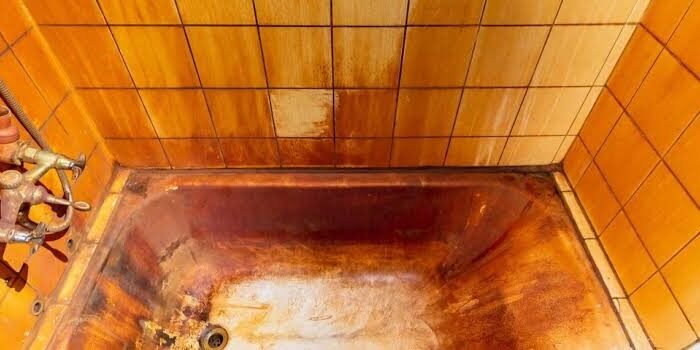
A professional water analysis can help identify the source of a problem. Hardness testing, for example, measures minerals such as calcium and magnesium that contribute to scale. Iron and sulfur testing may help explain orange staining or rotten-egg odors. Other situations may call for testing for specific contaminants based on the water source and intended use.
It is important to choose tests according to the circumstances rather than relying on a single general screening. If drinking water safety is a concern, testing should follow relevant public health guidance and include the substances that are appropriate for the property and its water supply.
Once the results are available, the next step becomes much clearer. Treatment can be selected to address a real need instead of adding equipment that may provide little benefit.
What Makes Water Suitable for Everyday Use?
People often assume that water quality is simply about appearance. In reality, clarity is only one part of the picture. Water can be visually appealing and still contain substances that require attention, while harmless minerals may affect taste or create deposits without presenting the same type of health concern.
For most households, high quality water means water that is appropriate for its intended use, tastes pleasant when used for drinking, and does not create avoidable problems throughout the plumbing system. The precise requirements depend on the source and the people using it.
Businesses have their own standards. A hotel may prioritize guest comfort and dependable hot-water systems, while a food processing facility may need water that meets specific operational and regulatory requirements. Industrial users may require different water characteristics at different stages of production.
There is no single definition that fits every situation. Understanding the intended use is what makes a treatment decision useful.
How Modern Treatment Methods Can Help
Water treatment includes several technologies, each designed to address particular conditions. Water softeners reduce hardness by exchanging calcium and magnesium ions for other ions, typically sodium. This can help limit scale formation in plumbing, water heaters, and compatible equipment.
Filtration systems work differently. Depending on their design and media, they may reduce sediment, certain chemicals, iron, or other unwanted substances. Activated carbon is commonly used to improve taste and odor and reduce selected contaminants. Reverse osmosis can remove many dissolved substances, although system performance depends on membrane design, operating conditions, and maintenance.
The broader field of water treatment technology continues to develop, giving property owners more options for monitoring and managing water. Some systems now include digital controls, automated alerts, and performance tracking that can help operators identify maintenance needs sooner.
Still, newer does not automatically mean better. A straightforward system correctly sized for the application may outperform a more complicated installation that does not match the water chemistry. The important considerations are treatment effectiveness, operating costs, maintenance requirements, and reliable performance over time.
Commercial and Industrial Water Need a Different Approach
Large facilities rarely use water for just one purpose. A single site might need water for restrooms, kitchens, boilers, cooling towers, equipment cleaning, and production processes. Each application can have different requirements, so treating the entire supply in the same way may not be the most effective approach.
For example, a boiler system may require careful control of hardness and other dissolved substances to reduce scale and corrosion risks. Cooling equipment may need a water management program that addresses mineral deposits, corrosion, and biological growth. Manufacturing processes can require specific levels of purity to protect products or maintain consistent results.
That is why a custom commercial or industrial solution should begin with an assessment of water use, flow rates, existing equipment, test results, and operating goals. The right design may combine pretreatment, filtration, softening, reverse osmosis, or other methods in a carefully planned sequence.
A tailored system can also account for future demand. If production expands or a facility adds new equipment, treatment capacity may need to change. Planning for those possibilities can prevent expensive adjustments later.
The Importance of Maintenance and Monitoring
Installing a treatment system is only the beginning. Filters become loaded with captured material, membranes require appropriate care, and softeners need periodic checks to confirm that they are operating correctly. Sensors and control systems also need attention if their readings are to remain dependable.
A maintenance schedule should follow the manufacturer’s instructions and the actual demands of the water supply. Some systems need frequent filter changes, while others require periodic testing or professional servicing. Keeping records of test results, repairs, and replacement dates makes it easier to spot patterns before they become serious problems.
For commercial operators, monitoring can be especially valuable. Unexpected changes in pressure, water quality, or equipment performance may indicate that a component needs attention. Early intervention can reduce downtime and help protect the wider system.
Making a Practical, Long-Term Investment
Choosing water treatment equipment should involve more than comparing purchase prices. Installation, energy use, replacement filters, water waste, servicing, and the cost of potential downtime all affect the total expense over the system’s life.
Ask suppliers to explain what their proposed system will remove, what it will not remove, and how its performance will be verified. Request clear information about maintenance and expected operating costs. If a claim sounds too broad or promises to solve every possible water issue, it deserves closer scrutiny.
Most importantly, base the decision on reliable testing and the needs of the property or facility. The best solution is not necessarily the largest or most expensive one. It is the one that delivers appropriate water quality consistently, without creating unnecessary complexity.
Better Water Starts With Better Decisions
Water affects comfort, safety, efficiency, and the everyday reliability of buildings and equipment. When problems appear, it can be tempting to look for a quick fix. But a little investigation at the beginning often saves time and money in the long run.
Start with the water source, identify the actual concerns, and choose treatment methods that match the intended use. Build maintenance into the plan, review performance regularly, and make adjustments when conditions change.
Whether the goal is better-tasting drinking water or dependable water for a demanding industrial process, informed decisions make the difference. A well-planned approach helps turn water treatment from a recurring problem into a manageable part of daily operations.