Water is one of those household essentials that usually gets noticed only when something goes wrong. A faucet starts leaving spots on the sink. A showerhead becomes covered in chalky buildup. Clothes don’t seem as fresh after washing. Or an appliance that has always worked perfectly suddenly starts behaving strangely.
Sometimes, the common thread is water quality.
Hard water, sediment, chlorine, and other characteristics of household water can influence far more than what’s in your drinking glass. They can affect cleaning, bathing, fixtures, and equipment throughout the home. Understanding these connections can help homeowners make smarter decisions about water treatment and maintenance.
Water and Your Home’s Plumbing
Your home’s plumbing system carries water to nearly every important area of the house. When water contains high levels of hardness minerals, scale can gradually accumulate inside pipes, valves, faucets, and other components.
The buildup may not happen overnight. That’s part of what makes it easy to overlook.
A faucet might slowly lose pressure. A showerhead may develop blocked openings. Fixtures can become harder to clean. In more persistent cases, mineral deposits can contribute to maintenance issues.
Not every plumbing problem is caused by water quality, of course. Leaks, corrosion, age, and installation issues can all play a role. But if you repeatedly notice scale throughout your home, checking the water hardness is a sensible step.
Hard Water and Household Appliances
Water-using appliances have to deal with the same minerals and substances that flow through your faucets.
Think about your water heater. It regularly heats and stores water, which can create favorable conditions for mineral scale to collect. Dishwashers, washing machines, coffee makers, humidifiers, and other equipment can also be affected depending on the water quality.
Scale buildup doesn’t necessarily mean an appliance will fail tomorrow. The concern is more gradual. Deposits can affect efficiency, performance, and maintenance over time.
A water treatment system designed for your specific water conditions may help reduce certain types of buildup. But it should be viewed as one part of appliance care, not a replacement for cleaning and manufacturer-recommended maintenance.
Why Laundry Can Feel Different
Many people don’t connect water quality with laundry, but the connection is real.
Hard water can make detergents work differently because calcium and magnesium interact with soap and cleaning agents. Clothes may feel less soft, colors can appear dull, and you may find yourself using more detergent than expected.
That doesn’t necessarily mean your washing machine is the problem.
If you’ve noticed that clothes don’t seem as clean or fresh as they used to, consider the water as part of the bigger picture. Testing can help determine whether hardness or another water-quality characteristic could be contributing.
Sometimes the answer isn’t another laundry product. It’s understanding what’s coming out of the tap.
The Connection Between Water and Cleaning
Water quality can affect everyday cleaning in surprisingly small ways.
Hard water often leaves spots on glasses and dishes. Mineral deposits can appear around faucets and shower doors. Soap scum may become more noticeable, meaning bathrooms require more scrubbing to maintain that clean appearance.
Over time, these little tasks add up.
Reducing hardness where appropriate can make some cleaning jobs easier, although results depend on the level of hardness and the treatment system being used.
It’s not about making your home magically spotless. It’s simply about removing one avoidable source of frustration.
What About Drinking Water?
Household water isn’t only used for cleaning and appliances. Drinking and cooking are obviously important considerations.
Taste and odor can be influenced by chlorine, minerals, sediment, plumbing materials, and other factors. If tap water tastes unpleasant, homeowners may turn to point-of-use filtration, activated carbon systems, reverse osmosis, or other treatment options.
The right choice depends on the water source and the specific concern.
Testing should come before major treatment decisions, particularly when you suspect a specific contaminant. A filter that works well for chlorine, for example, isn’t automatically designed to reduce every other substance that may be present.
Whole-House vs. Point-of-Use Treatment
There are two broad ways to approach residential water treatment.
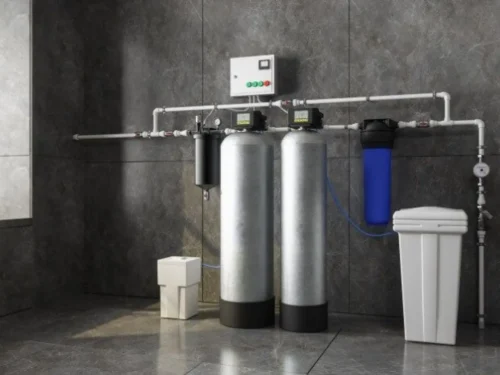
Whole-house systems treat water as it enters the property. This can be useful when the concern affects showers, laundry, plumbing, and appliances as well as drinking water.
Point-of-use systems focus on a specific faucet or area. These can make sense when drinking and cooking water are the main priorities.
Neither option is automatically superior. The best choice depends on your water test results, household size, water consumption, installation space, and budget.
A little planning can prevent you from paying for treatment you don’t actually need.
Don’t Forget About Water Testing
Before investing in equipment, learn what your water contains.
Testing can provide information about hardness, pH, chlorine, iron, sediment, and other characteristics depending on the type of analysis. Private well owners may need additional testing based on their location and circumstances.
It’s especially important to investigate noticeable changes. If water suddenly develops a new smell, unusual color, metallic taste, or visible particles, don’t simply assume it will go away.
Sometimes the cause is minor. Sometimes it deserves professional attention. Testing helps you tell the difference.
Maintenance Keeps Water Systems Working
Installing a filtration or softening system is only the beginning.
Filters need to be replaced. Softener systems require periodic attention. Treatment media can eventually become exhausted. Even high-quality equipment won’t perform indefinitely without maintenance.
Keep a simple record of filter changes and service dates. Follow the manufacturer’s instructions and pay attention to changes in pressure, taste, odor, or system performance.
It isn’t glamorous work, admittedly. But a few minutes of maintenance can prevent much bigger headaches.
Making a Smarter Home Water Decision
Water treatment doesn’t have to be complicated. Start by understanding your water and identifying the problem you’re actually trying to solve.
If hardness is causing scale, investigate softening. If taste or odor is the issue, consider appropriate filtration. If you’re concerned about a specific contaminant, test for it before choosing treatment.
Most importantly, don’t buy equipment simply because it sounds impressive. The right system is one that matches your home’s needs, water quality, budget, and maintenance expectations.
Small Improvements Can Have a Big Everyday Effect
Better water quality may not be the kind of home improvement that gets much attention from visitors. Nobody walks into a house and compliments the filtration system.
But you notice it in the little things.
Cleaner-looking fixtures. Easier laundry. Fewer mineral deposits. Better-performing water-using equipment. Less time spent scrubbing stubborn scale.
Those small conveniences can add up.
The smartest approach is simple: understand your water, test when necessary, choose treatment based on evidence, and keep the equipment maintained. You don’t need perfect water. You just need water that’s appropriate for the way your household lives.
And when the basics work quietly in the background, home life tends to feel a little easier.