We use water so often that it almost disappears into the background of everyday life. It’s there when the kettle goes on in the morning, when someone takes a long shower, when the dishwasher starts after dinner. Most of the time, nobody thinks twice about it.
Then something changes.
Maybe the water leaves chalky marks around the faucet. Perhaps the coffee tastes slightly different, laundry doesn’t feel quite right, or an appliance seems to be collecting mineral buildup faster than it should. Suddenly, the water coming through the pipes is no longer something you can ignore.
Improving water quality starts with paying attention to those little clues, but it shouldn’t end there. The smartest approach is to understand what’s actually in the water and how your property uses it before deciding on a treatment system.
Water Problems Can Be Easy to Miss
One of the tricky things about water quality is that not every concern is visible. Clear water can still contain dissolved minerals, disinfectants, sediment, or other substances that affect taste, plumbing, and appliances.
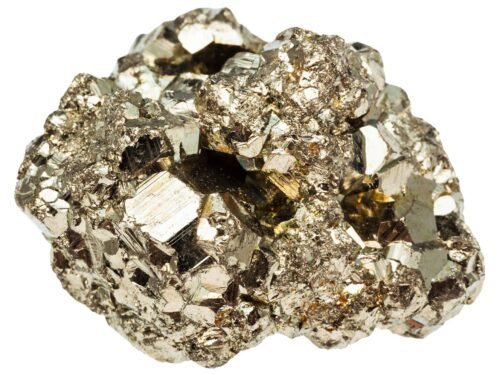
Hard water is a good example. You may not notice the calcium and magnesium in a glass of water, but over time they can leave scale around fixtures and inside water heaters.
Chlorine can also affect taste and odor. Sediment may create cloudy water or collect in filters and plumbing components.
None of this means that every unusual characteristic is a serious problem. It simply means that assumptions aren’t a great foundation for choosing treatment equipment.
Start With Water Testing
Before buying a filter or water softener, find out what you’re actually dealing with.
Water testing can provide useful information about characteristics such as hardness, pH, chlorine, iron, manganese, sediment, and other relevant factors. The exact tests you need depend on your water source and location.
For homeowners using private wells, testing is particularly important because groundwater conditions can vary considerably. Municipal water users may also benefit from testing when they notice changes in taste, odor, appearance, or scale.
A test turns a vague complaint into something measurable. Instead of saying, “The water seems hard,” you can determine whether hardness is actually elevated and how significant the issue is.
That makes treatment decisions much more straightforward.
Think About How the Property Uses Water
The amount of water a property uses matters when selecting treatment equipment.
A two-person household with modest water consumption doesn’t have the same needs as a large family with multiple bathrooms and frequent laundry loads. A restaurant, hotel, office building, or manufacturing facility can have completely different requirements again.
These usage demands influence system capacity, flow rate, filtration size, and maintenance schedules.
Choosing equipment that’s too small can create performance problems. A system that’s dramatically oversized, meanwhile, may cost more than necessary and take up valuable space.
It’s not just about how many people live or work on the property, either. Think about peak usage. Several showers running at once, a washing machine filling, and a dishwasher operating can create a very different demand than a quiet afternoon when nobody is home.
Hard Water Deserves Special Attention
Hard water is one of the most common reasons homeowners consider treatment.
Calcium and magnesium can form scale on showerheads, faucets, dishes, and appliances. Over time, mineral deposits may also accumulate inside plumbing and water heaters.
A water softener can reduce hardness through ion exchange, replacing hardness minerals with sodium or potassium ions depending on the system and setup.
But a softener isn’t a universal water purifier. If the main concern is chlorine, sediment, or another specific substance, different filtration technology may be needed.
This distinction is important because homeowners sometimes expect one machine to solve every water problem. Water treatment doesn’t quite work that way.
Choosing Between Whole-Home and Point-of-Use Treatment
Another question is where treatment should happen.
A point-of-use filter treats water at a specific location, such as the kitchen sink. This can be ideal when the main goal is improving drinking and cooking water.
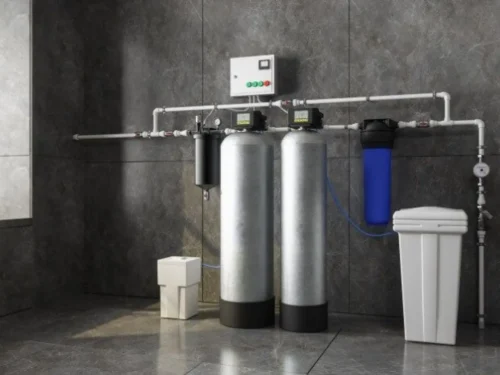
Whole-home treatment works differently. Equipment is installed on the main incoming water line so that treated water reaches multiple fixtures throughout the property.
If you’re mainly concerned about the taste of drinking water, a kitchen filter may be perfectly reasonable. If scale is affecting showers, laundry, appliances, and faucets, treating the whole household supply could make more sense.
Sometimes a combination is the most practical approach.
Don’t Forget About Commercial Water Needs
Businesses have another layer of complexity because water can directly affect operations.
A restaurant needs reliable water for cooking, cleaning, and sanitation. A hotel may use large amounts for guest rooms and laundry. Industrial facilities may need water with very specific characteristics for production processes.
Commercial treatment systems therefore need to account for flow rates, peak demand, equipment protection, and operational requirements.
A system designed for a family home may not be capable of handling a commercial property’s demand. Proper sizing matters, and so does having a maintenance plan that minimizes downtime.
For a business, water treatment isn’t merely a convenience. In some situations, it can be part of protecting expensive equipment and maintaining consistent operations.
Maintenance Is Part of the Plan
No treatment system is completely maintenance-free.
Filters need changing. Water softeners require salt or other replenishment. Reverse osmosis systems need periodic membrane and cartridge replacement. Commercial systems may require more frequent inspections.
Before making a purchase, ask about the expected maintenance schedule and ongoing costs.
It’s also smart to keep an eye on changes in performance. A sudden drop in water pressure, unusual taste, or return of scale could indicate that a filter is exhausted or a component needs attention.
A five-minute check can sometimes prevent a much bigger problem.
Look Beyond the Initial Price
When comparing systems, the purchase price is only one part of the equation.
Consider installation costs, replacement filters, salt consumption, servicing, electricity where applicable, warranties, and expected lifespan.
A less expensive system may look attractive initially but become costly if its filters need frequent replacement. On the other hand, a more robust system may be worthwhile if it offers dependable performance and reasonable operating costs.
Think in years rather than weeks.
Making the Right Choice
Water treatment doesn’t need to be complicated. It just needs to be appropriate.
Start by identifying the problem. Test the water. Consider how much water your household or business actually uses. Then compare treatment technologies based on what they are designed to accomplish.
Don’t buy equipment simply because it has the longest feature list. Buy it because it addresses a real need.
In the end, good water treatment is less about chasing perfection and more about making everyday life work a little better. When your water tastes right, fixtures stay cleaner, appliances are better protected, and the system quietly does its job, that’s usually a sign you’ve made the right choice.