Most homeowners spend considerable time choosing wall colors, arranging furniture, and selecting decorative accessories. Yet one of the largest surfaces in every room often receives the least attention: the ceiling.
A ceiling with visible cracks, uneven patches, water stains, or damaged textures can affect the appearance of an entire room. Even freshly painted walls and beautiful furnishings may lose some of their appeal when the surface overhead looks neglected.
Fortunately, restoring damaged ceilings doesn’t always require extensive renovation. With appropriate repair methods, careful preparation, and experienced workmanship, many imperfections can be corrected without replacing the entire surface.
Understanding what causes ceiling damage and how professional restoration works can help homeowners make informed decisions while preserving the beauty and functionality of their interiors.
Understanding the Importance of Well-Maintained Ceilings
Ceilings contribute more to interior design than many people realize. They influence how light travels throughout a room, complement architectural features, and create a sense of visual balance.
Properly installed and maintained drywall ceilings offer a versatile foundation for various interior finishes, from contemporary smooth surfaces to traditional textured designs.
However, even well-constructed ceilings can develop imperfections over time. Temperature fluctuations, building movement, moisture exposure, and installation-related problems may contribute to visible deterioration.
Consider a dining room with attractive furniture and thoughtfully selected lighting. A noticeable crack running across the ceiling could distract from the entire arrangement.
Similarly, uneven ceiling surfaces can become particularly apparent when sunlight enters through large windows.
Routine inspections help homeowners recognize developing concerns before they become more extensive.
Not every small imperfection indicates a serious problem. Nevertheless, understanding the condition of the ceiling and investigating unexpected changes is an important part of responsible property maintenance.
Restoring Damaged Ceiling Surfaces With Professional Assistance
Repairing an overhead surface presents challenges that are somewhat different from working on an ordinary wall. Accessibility, material support, surface preparation, and finishing techniques all require careful consideration.
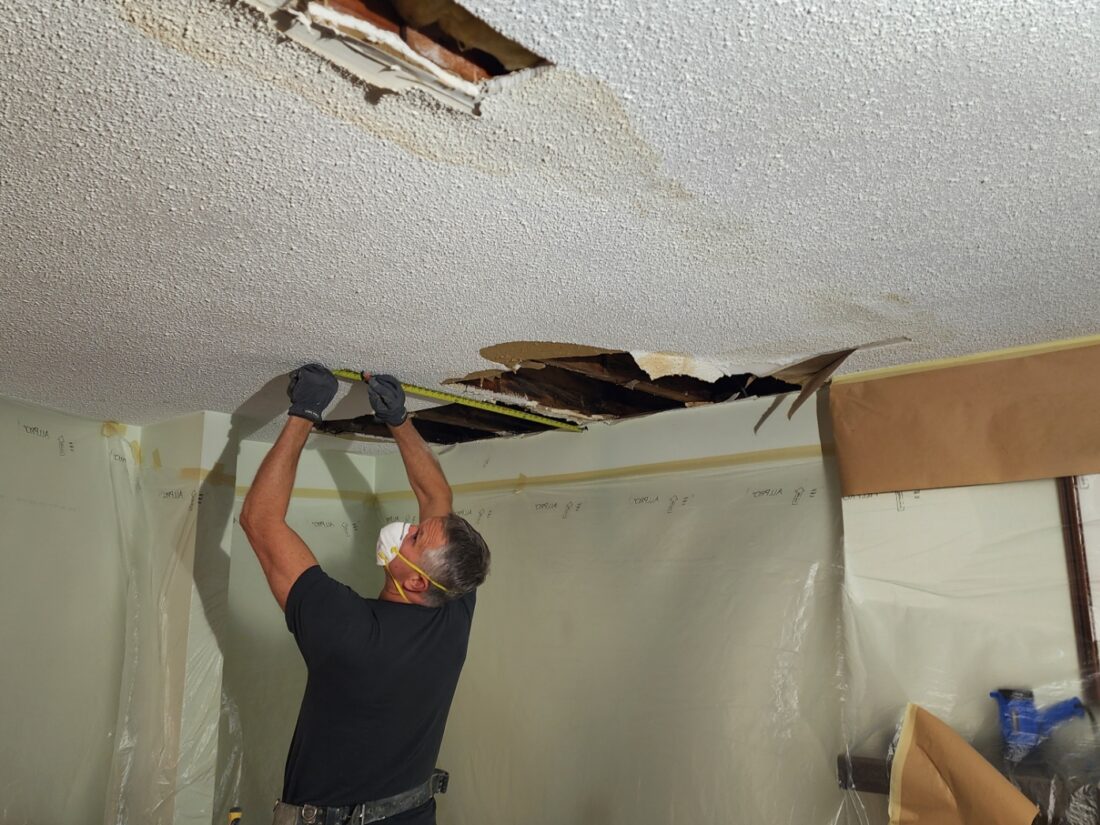
Professional drywall ceiling repairs help restore affected areas by addressing cracks, damaged joints, accidental openings, and deteriorated sections using appropriate restoration methods.
Imagine discovering a discolored patch beneath an upstairs bathroom. Although repainting might seem like a straightforward solution, the stain could indicate an unresolved plumbing leak.
Before restoration begins, the moisture source must be identified and corrected. Damaged materials should then be evaluated to determine whether repair or replacement is necessary.
Other ceiling problems may involve deteriorating joint tape, visible fastener marks, or minor surface cracks.
Depending on the extent of the damage, restoration could involve replacing compromised drywall sections, reinforcing joints, and applying suitable finishing compounds.
Sagging ceilings, significant water damage, and rapidly expanding cracks deserve urgent professional assessment. Avoid using the affected area if there is a risk of falling material.
Quality ceiling restoration involves more than improving appearances. It also requires understanding the underlying condition of the materials and addressing problems responsibly.
Creating a Consistent Finish Through Expert Texture Matching
One of the most challenging aspects of ceiling restoration is ensuring that repaired sections blend naturally with the surrounding surface.
A structurally sound patch can still look unattractive if its texture differs noticeably from the original finish.
Professional drywall texture blending and repair helps create a more consistent appearance by reproducing existing patterns and carefully transitioning between repaired and undamaged areas.
Ceiling textures come in several styles, including orange peel, knockdown, and various decorative patterns.
Matching these finishes requires attention to material consistency, application techniques, pattern size, and drying conditions.
Picture a recently repaired ceiling where the patched area appears perfectly smooth, but the surrounding surface features a subtle textured pattern. Even after painting, the difference may remain obvious.
An experienced professional can evaluate the original finish and select an appropriate restoration technique.
Older textured ceilings may contain asbestos or other hazardous materials. Appropriate assessment should take place before sanding, scraping, or disturbing potentially contaminated surfaces.
The objective is to achieve a visually balanced result that complements the room rather than drawing attention to previous damage.
Recognizing Warning Signs of Ceiling Deterioration
Ceiling problems aren’t always immediately noticeable. Because people rarely look directly overhead during everyday activities, gradual changes can easily go unnoticed.
Common warning signs worth investigating include:
- Hairline cracks that repeatedly return.
- Peeling paint or deteriorating joint tape.
- Yellow or brown moisture stains.
- Uneven patches from previous repairs.
- Visible gaps around ceiling joints.
- Softened, swollen, or sagging surfaces.
Different symptoms may have different underlying causes.
Recurring cracks, significant moisture intrusion, and suspected structural movement require appropriate specialist evaluation before cosmetic restoration begins.
Early identification can help homeowners avoid unnecessary repair expenses while protecting surrounding materials.
Why Proper Preparation Makes All the Difference
Achieving an attractive ceiling finish requires patience. Rushing the preparation process can leave visible seams, uneven surfaces, and inconsistent paint coverage.
Repair compounds require suitable drying time, while sanding and priming help prepare restored areas for decorative finishes.
Sometimes, repainting the entire ceiling produces a more consistent result than applying paint exclusively to the repaired section.
This is particularly useful when existing paint has faded or changed color over time.
Before scheduling restoration work, discuss texture matching, surface preparation, painting requirements, and anticipated expenses with your service provider.
Clear expectations help ensure that the finished result meets your preferences.
Protecting Your Ceiling After Restoration
Once restoration is complete, consistent household maintenance can help preserve the finished surface.
Address roofing and plumbing concerns promptly, maintain appropriate indoor ventilation, and investigate unexpected discoloration rather than simply covering it with paint.
Keeping occasional photographs of previously repaired areas can also help identify recurring changes.
These relatively simple precautions may reduce avoidable deterioration and future restoration expenses.
Rediscovering the Beauty Above You
A beautifully finished ceiling can transform the atmosphere of an entire room. It helps create a cleaner appearance, complements interior lighting, and allows your decorative choices to stand out.
With thoughtful repairs, appropriate materials, and careful texture matching, homeowners can restore damaged interiors without unnecessary renovation costs.
Sometimes, the improvement your home needs isn’t new furniture or expensive decorations. It’s simply giving the overlooked surfaces above you the professional care they deserve.
After all, a truly beautiful interior feels thoughtfully maintained from the floor all the way to the ceiling.