You don’t usually think about water — until it tastes strange.
Maybe it’s a faint metallic note. Maybe there’s that unmistakable whiff of chlorine when you turn on the tap. Or maybe it just feels… flat. Not terrible, not unsafe, just not something you’d choose if you had an option.
And that’s the thing. These days, we do have options.
More homeowners are paying attention to what’s coming out of their faucets, not because they’re paranoid, but because water is so central to daily life. It’s the first sip in the morning, the base of your coffee, the water you use to rinse vegetables, fill a pet bowl, or hydrate after a long walk.
If it’s going to be part of your everyday routine, it might as well be good.
Why Water Taste Matters More Than We Admit
It sounds almost trivial — taste. But taste shapes habits.
When water has an improved taste, people drink more of it. It’s that simple. You’re more likely to refill your glass. Kids are less resistant. You might even skip sugary alternatives because plain water feels refreshing instead of dull.
Taste differences often come down to chlorine, dissolved solids, or trace minerals. Municipal systems add disinfectants to keep water safe as it travels through miles of pipes. That’s important. But it can leave behind a flavor that’s hard to ignore.
Filtration systems — especially carbon-based ones — target those elements. They don’t strip water of everything; they refine it. And that refinement shows up immediately in flavor.
Sometimes the first glass after installing a filter is surprisingly satisfying. It feels lighter. Cleaner. Less “tap-like.”
It’s subtle, but noticeable.
The Smell You Didn’t Realize Was There
Odor is another one of those things you grow used to. You turn on the faucet, and there’s that faint swimming pool scent. Or maybe something slightly earthy.
You adapt. You stop commenting on it.
But when you address odor reduction through proper filtration, the difference can be striking. Activated carbon filters are especially effective at reducing chlorine smells and certain organic compounds that create musty notes.
The result isn’t scented water — it’s neutral water. Which, ironically, feels fresher.
Cooking improves, too. Pasta water doesn’t carry subtle off-aromas. Tea and coffee brew without competing undertones. Even brushing your teeth becomes a more pleasant experience.
It’s the kind of change that doesn’t scream for attention. It just makes daily life smoother.
Safety vs. Preference
Here’s something important: most municipal water in developed areas meets safety standards. It’s treated and regulated.
But “meets standards” doesn’t always mean “meets preferences.”
That’s where home filtration steps in. It’s less about panic and more about control. Maybe you’ve reviewed your local water report and noticed elevated total dissolved solids. Maybe you’re on a private well and want extra reassurance. Maybe you simply prefer water that feels more neutral.
The goal is often clean drinking water that aligns with your expectations — not just compliance, but confidence.
For families, especially those with young children, that added peace of mind can be meaningful. You’re not second-guessing what’s in the glass you’re handing over.
Types of Filtration Worth Considering
Not all systems are created equal.
Basic carbon filters are affordable and effective for taste and odor. They’re often installed under the sink or integrated into refrigerator dispensers.
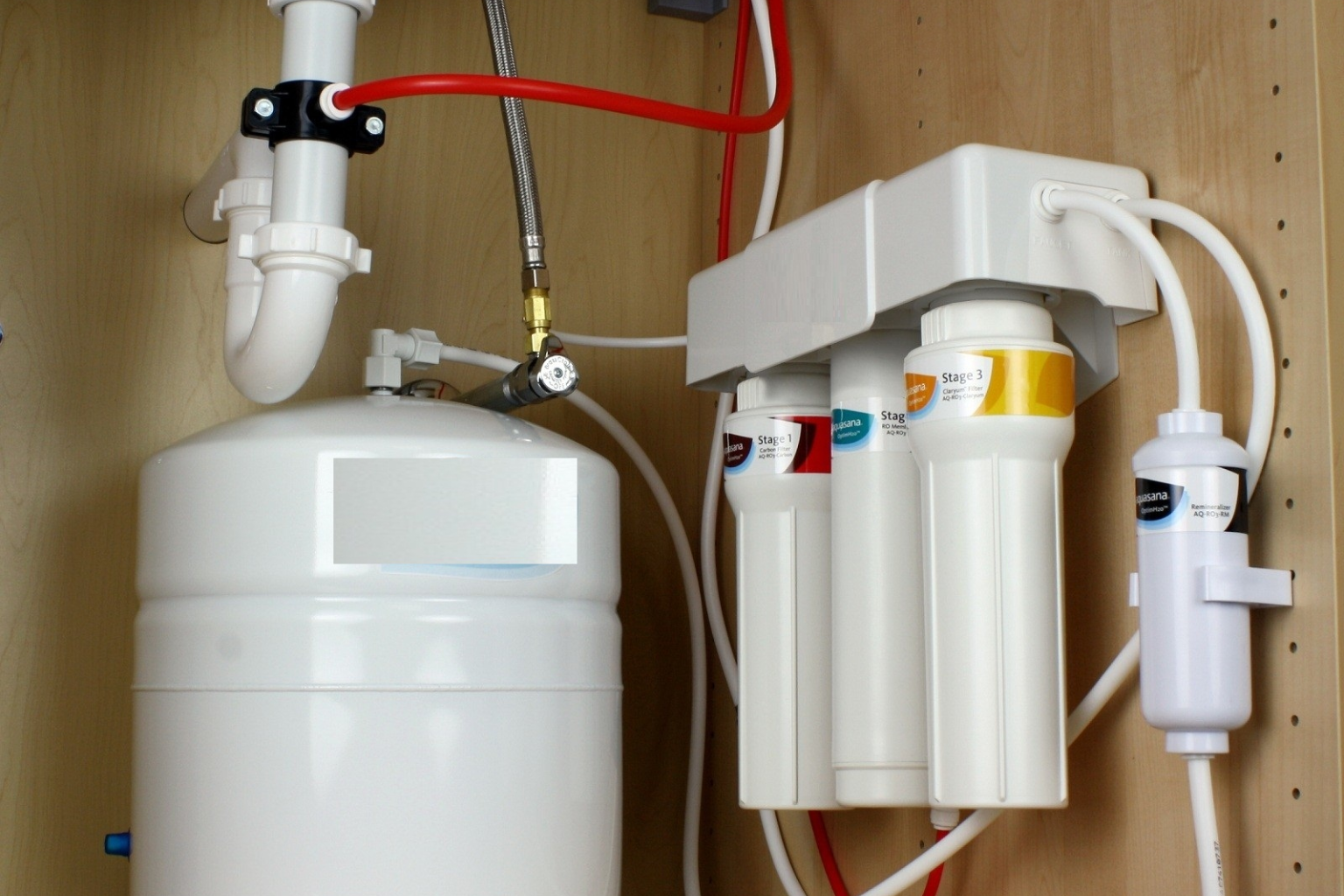
Reverse osmosis systems go further, removing dissolved solids and many additional contaminants through a semi-permeable membrane. They’re more comprehensive but also more complex, requiring filter changes and occasional maintenance.
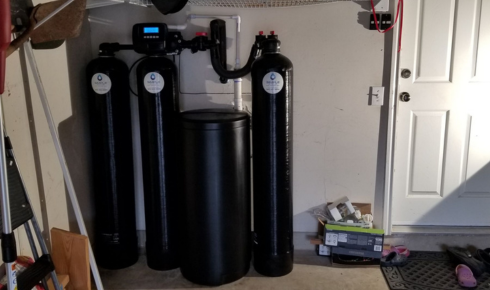
Whole-house systems address water at the point of entry, treating it before it reaches showers, washing machines, and sinks. These are helpful if sediment, chlorine, or other issues affect your entire plumbing system.
The right choice depends on your water source and priorities. A simple test can reveal what you’re actually dealing with — hardness, chlorine levels, iron, or something else entirely.
Testing first saves guesswork later.
The Emotional Side of Water
We don’t talk about this enough, but water is deeply tied to comfort.
There’s something reassuring about filling a glass and not hesitating. About knowing that the water you cook with, mix baby formula with, or use in daily routines feels right.
When water tastes better and smells neutral, you stop thinking about it — and that’s a good thing.
It blends into the background in the best possible way.
And sometimes, small daily improvements ripple outward. You drink more. You waste fewer bottled water cases. You feel a little more in control of your home environment.
Maintenance Isn’t Complicated — But It Matters
Filtration systems aren’t magic boxes you install and forget.
Filters need replacing. Cartridges wear out. Systems require occasional attention.
But modern designs make maintenance manageable. Most homeowners find it becomes just another routine task — like changing an HVAC filter or replacing smoke detector batteries.
And compared to constantly buying bottled water? It’s often simpler and more sustainable.
A Thoughtful Upgrade, Not a Luxury
Improving your water isn’t about extravagance.
It’s about refining something you interact with dozens of times a day.
When water tastes cleaner, smells neutral, and feels trustworthy, it quietly elevates your home experience. There’s less second-guessing. Less annoyance. More ease.
And in a world where so many things feel complicated, there’s something refreshing about solving a problem in a straightforward way.