You can’t always explain it, but you feel it right away.
You step into a room and something clicks. The light feels soft, the furniture makes sense, and you instinctively know where to sit. Conversation seems easier there. Even silence feels comfortable.
And then there are rooms that look perfectly fine — maybe even expensive — yet somehow feel awkward. You hover instead of relax. You perch instead of settle. The difference isn’t always about budget or square footage. It’s usually about intention.
Creating a welcoming room isn’t magic. It’s the result of small, thoughtful decisions layered together over time.
Start With How the Room Is Used
Before choosing paint colors or new furniture, ask yourself what the room is actually for. Is it where your family unwinds at the end of the day? Is it a place for hosting friends? Or is it more of a quiet retreat for reading and thinking?
Rooms that work well are designed around real habits, not imagined ones.
If you love having people over, prioritize seating that encourages conversation. If you prefer quiet evenings alone, maybe a deep armchair and a soft lamp matter more than a formal layout. Your home should reflect how you live, not how you think you’re supposed to live.
Design becomes easier when you’re honest about your routines.
Light Shapes the Mood More Than You Realize
One of the biggest shifts you can make in any room involves lighting and placement. It sounds technical, but it’s actually simple: where light falls changes how a space feels.
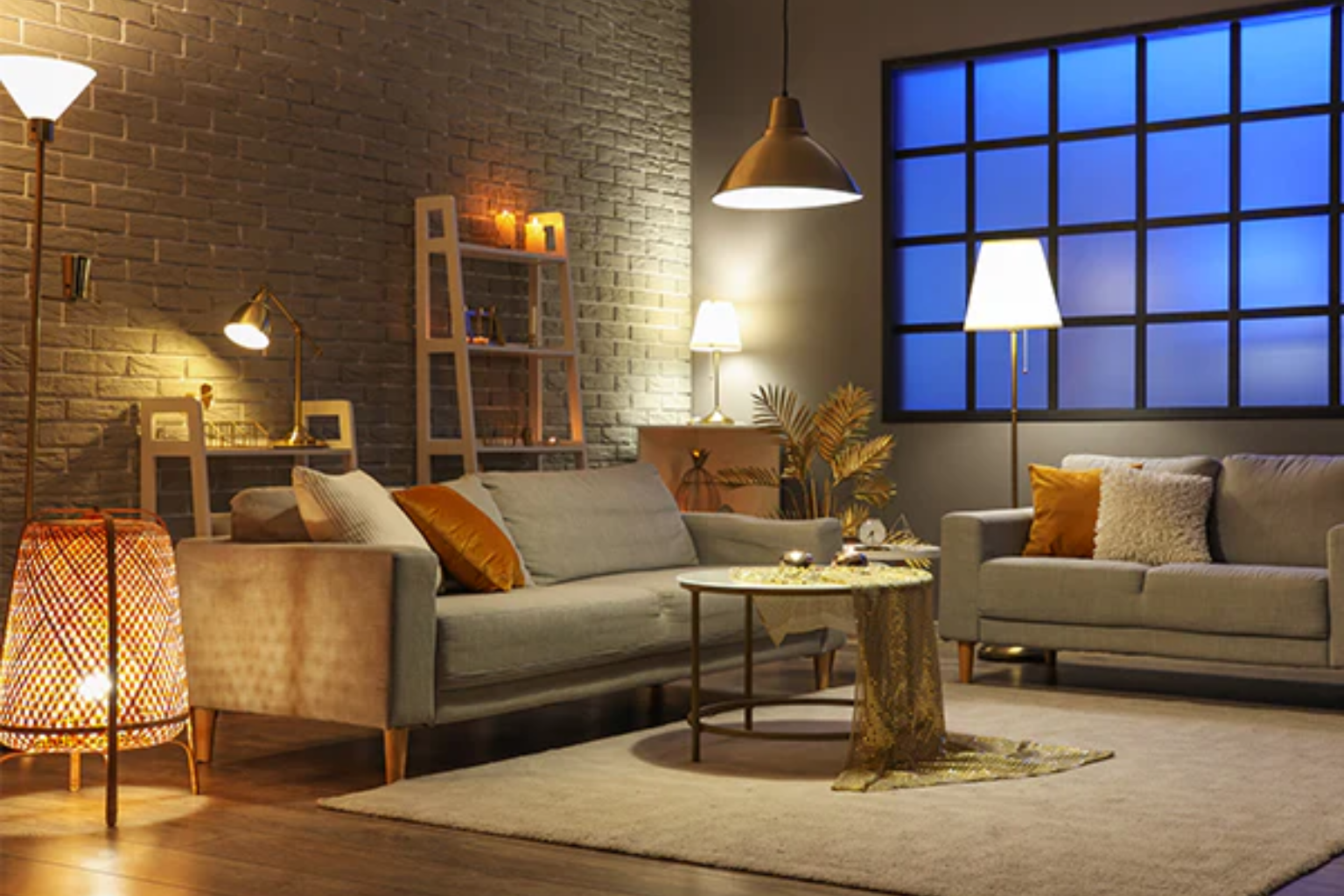
A single overhead fixture can make a room look flat and harsh. Add a table lamp near the sofa, a floor lamp by a reading chair, maybe a wall sconce to soften a corner. Suddenly the space feels layered. Dimensional.
Placement matters just as much as the fixture itself. A lamp positioned slightly behind a chair creates a cozy glow. Lighting a darker corner balances the room visually. Even moving a lamp a few inches can change the mood.
Light isn’t just about visibility. It’s about atmosphere. Warm light invites. Cold light energizes. Choosing the right tone for the room’s purpose makes all the difference.
Let the Layout Invite Conversation
Think about the last time you felt truly comfortable in someone’s home. Chances are, the seating allowed people to face each other without strain. You didn’t have to twist awkwardly to join a conversation.
Rooms designed for connection work better when furniture isn’t pushed rigidly against the walls. Pulling a sofa slightly inward can create intimacy. Angling chairs instead of lining them up can make conversation feel natural instead of forced.
These subtle adjustments transform rooms into genuine gathering spaces. Not just areas with chairs, but places where stories unfold and laughter lingers.
It’s not about symmetry or perfection. It’s about creating flow — visual and social.
Cohesion Without Overthinking
Many people assume that for a room to feel finished, everything must match. The sofa should match the chairs. The rug should match the curtains. But that often leads to spaces that feel staged rather than lived in.
True cohesive design is more about harmony than matching sets. Maybe your accent pillows echo a color in your artwork. Maybe the wood tones in your coffee table subtly relate to your shelving. The connection doesn’t have to be obvious — it just has to feel intentional.
Textures help here. Mix smooth and rough. Soft and structured. A woven rug beneath a sleek table creates contrast without chaos. A velvet cushion on a linen sofa adds depth.
When elements relate to one another in tone or texture, the room feels grounded.
Edit With Care
Clutter isn’t always about too many things. Sometimes it’s about too many unrelated things.
If a room feels busy, try removing a few items before adding new ones. Clear the coffee table except for one meaningful object. Leave a little breathing room on shelves. Let walls have moments of quiet.
Editing doesn’t mean stripping away personality. It means giving the personality space to shine.
And here’s something people overlook: empty space is part of design. It’s what allows your eye to rest. Without it, even beautiful pieces lose impact.
Personal Touches Make It Real
No room feels inviting if it doesn’t reflect the people who live there.
Display books you’ve actually read. Hang art that makes you pause. Include a throw blanket that feels familiar and worn in, not perfectly folded for display. These details tell a story.
Perfection can feel cold. A slightly imperfect arrangement feels human.
A room becomes welcoming when it feels lived in — when it suggests that someone truly spends time there.
Sound, Scent, and Subtle Comfort
We often focus only on what we see, but comfort is multi-sensory.
Soft textiles absorb sound and make rooms feel quieter. Rugs reduce echo. Even upholstered furniture softens acoustics in ways we don’t consciously register but deeply appreciate.
Scent matters too. A lightly scented candle, fresh flowers, or even open windows bringing in air can shift how a space feels. These are small details, but they add up.
Comfort isn’t loud. It’s subtle. It’s the accumulation of thoughtful choices.
Rooms That Welcome You Back
At the end of a long day, you want to walk into a space that feels ready for you. Not stiff. Not overly styled. Just warm.
When lighting is layered, furniture encourages conversation, and elements relate to each other naturally, the room begins to feel whole. Not perfect — just balanced.
The best spaces aren’t the ones that impress immediately. They’re the ones that hold you gently. They allow you to relax without thinking about why.