There’s a moment most homeowners experience at least once—you turn on the tap, and something feels… different. Not dramatically wrong, just slightly off. Maybe the water looks a bit unusual, or there’s a smell you don’t remember noticing before. It’s easy to brush it off, especially if everything still “works.”
But water has a quiet way of telling you when something isn’t quite right. And those small changes? They’re usually worth paying attention to.
The Stains That Don’t Wash Away
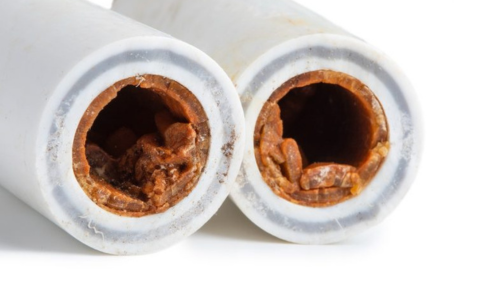
One of the more obvious signs shows up in places you clean often—sinks, bathtubs, even freshly washed clothes. You start noticing reddish or brownish stains that seem to come back no matter how hard you scrub.
That’s often linked to iron contamination in your water supply. It’s surprisingly common, especially in areas with older plumbing or natural groundwater sources.
Iron itself isn’t always harmful in small amounts, but it can be frustrating. It affects the appearance of your fixtures, gives water a metallic taste, and can even leave your laundry looking less than fresh.
What’s interesting is how gradually it builds up. At first, you might think it’s just a cleaning issue. But over time, it becomes clear that the source isn’t your sink—it’s your water.
The Smell That Stops You in Your Tracks
Then there’s the kind of problem you can’t ignore—the smell.
You turn on the tap, and there it is. That distinct, unpleasant scent that reminds you of rotten eggs. It’s not subtle, and it’s definitely not something you get used to.
This is usually caused by sulfur odor, often due to hydrogen sulfide gas in the water. While it’s not typically dangerous at low levels, it can make everyday tasks—like cooking or even washing your hands—feel uncomfortable.
The thing about smells is that they change how you interact with your environment. You hesitate before using the water. You might even avoid it altogether if you can.
And that hesitation? It’s your instinct telling you something needs attention.
The Particles You Didn’t Expect
Not all water issues are about what you smell or taste. Sometimes, it’s about what you see—or feel.
You might notice tiny particles floating in your water, or a slight grit when you run your fingers under the tap. Over time, these particles can collect in faucets, clog showerheads, and even affect how your appliances perform.
These are often signs of sediment issues, which can come from sand, silt, or other debris entering your water supply.
At first, it might seem harmless. Just a bit of debris, right? But over time, sediment can cause wear and tear on your plumbing system, reducing efficiency and increasing the likelihood of repairs.
It’s one of those problems that starts small but grows quietly in the background.
Why These Changes Matter More Than You Think
What makes water issues tricky is how they rarely feel urgent. They’re inconvenient, yes, but not always alarming.
You adapt. You clean a little more. You adjust your habits. Maybe you switch detergents or buy bottled water.
But these are temporary fixes. They don’t address the root of the problem.
And over time, those small inconveniences start to affect your daily routine in ways you didn’t expect. Your appliances don’t last as long. Your cleaning takes more effort. Your comfort level drops, bit by bit.
It’s not about fear—it’s about awareness.
Understanding Before Fixing
One of the best things you can do when you notice these signs is to take a step back and understand what’s happening.
Not all water problems require the same solution. What works for one home might not work for another.
The key is identifying the cause. Is it iron buildup? Sulfur gas? Sediment entering your system?
Once you know that, the path forward becomes much clearer.
It’s less about trial and error, and more about making informed decisions.
The Quiet Benefits of Better Water
When water quality improves, the changes aren’t always dramatic—but they’re noticeable.
Your sinks stay cleaner. Your laundry looks brighter. Your water feels more neutral, more reliable.
And perhaps most importantly, you stop thinking about it.
That’s the real goal—not to constantly monitor your water, but to trust it. To know that when you turn on the tap, it’s doing exactly what it should.
Paying Attention to the Details
It’s easy to overlook water because it’s such a constant in our lives. But that’s exactly why it matters.
Those small signs—the stains, the smells, the particles—they’re not random. They’re clues.
And while they might not demand immediate action, they do deserve your attention.
Because the sooner you notice them, the easier it is to address them.
A Better Everyday Experience
At the end of the day, improving your water isn’t about chasing perfection. It’s about making your daily life a little easier.
Less scrubbing. Fewer repairs. More confidence in something you use every single day.
And once you experience that shift, even in small ways, it becomes clear how much of a difference it can make.
Water may seem simple. But when it’s right, it supports everything else in your home—quietly, consistently, without asking for attention.
And sometimes, that’s exactly what you need.