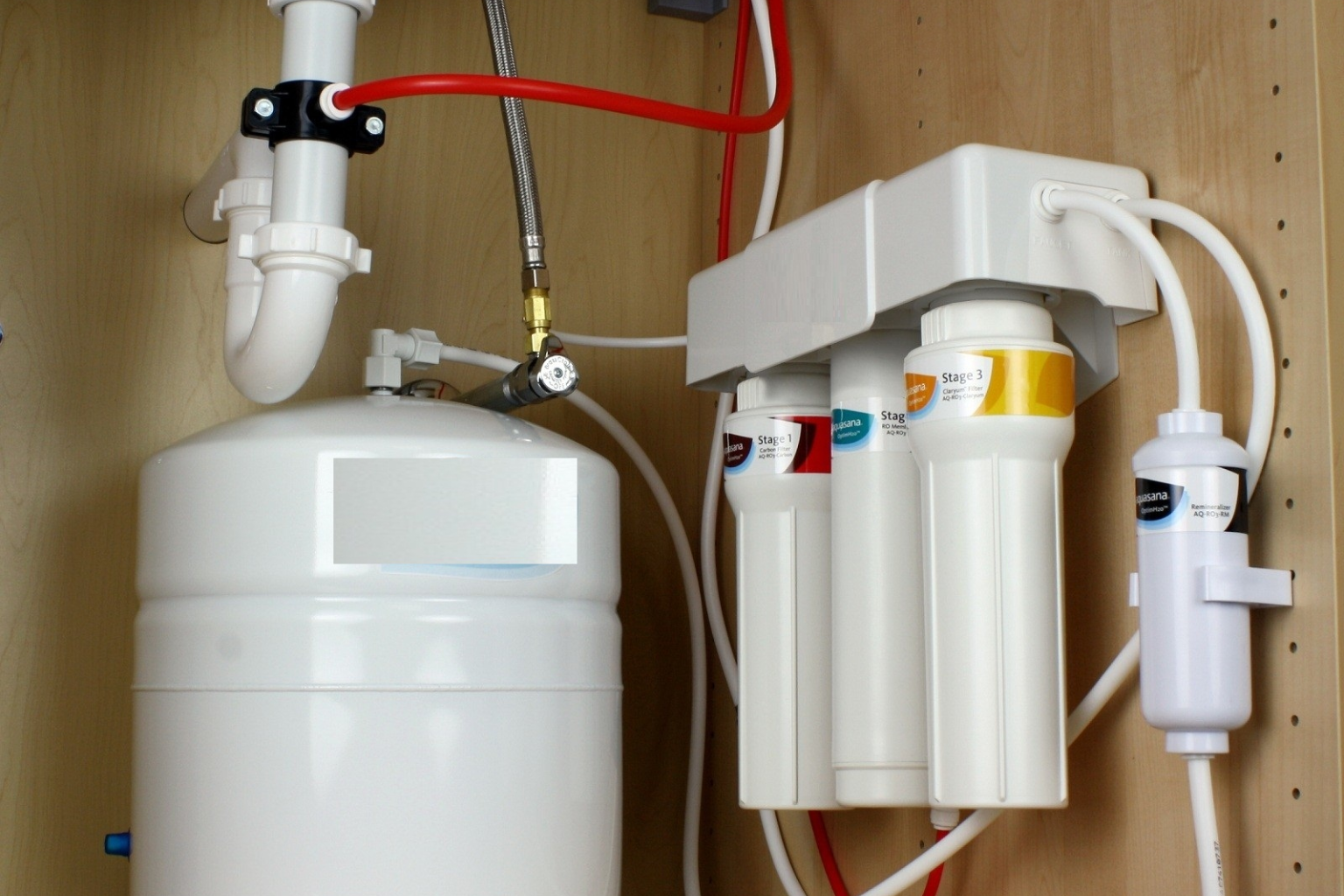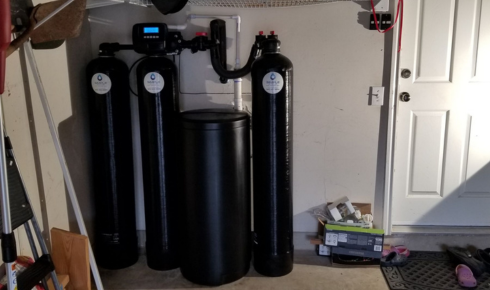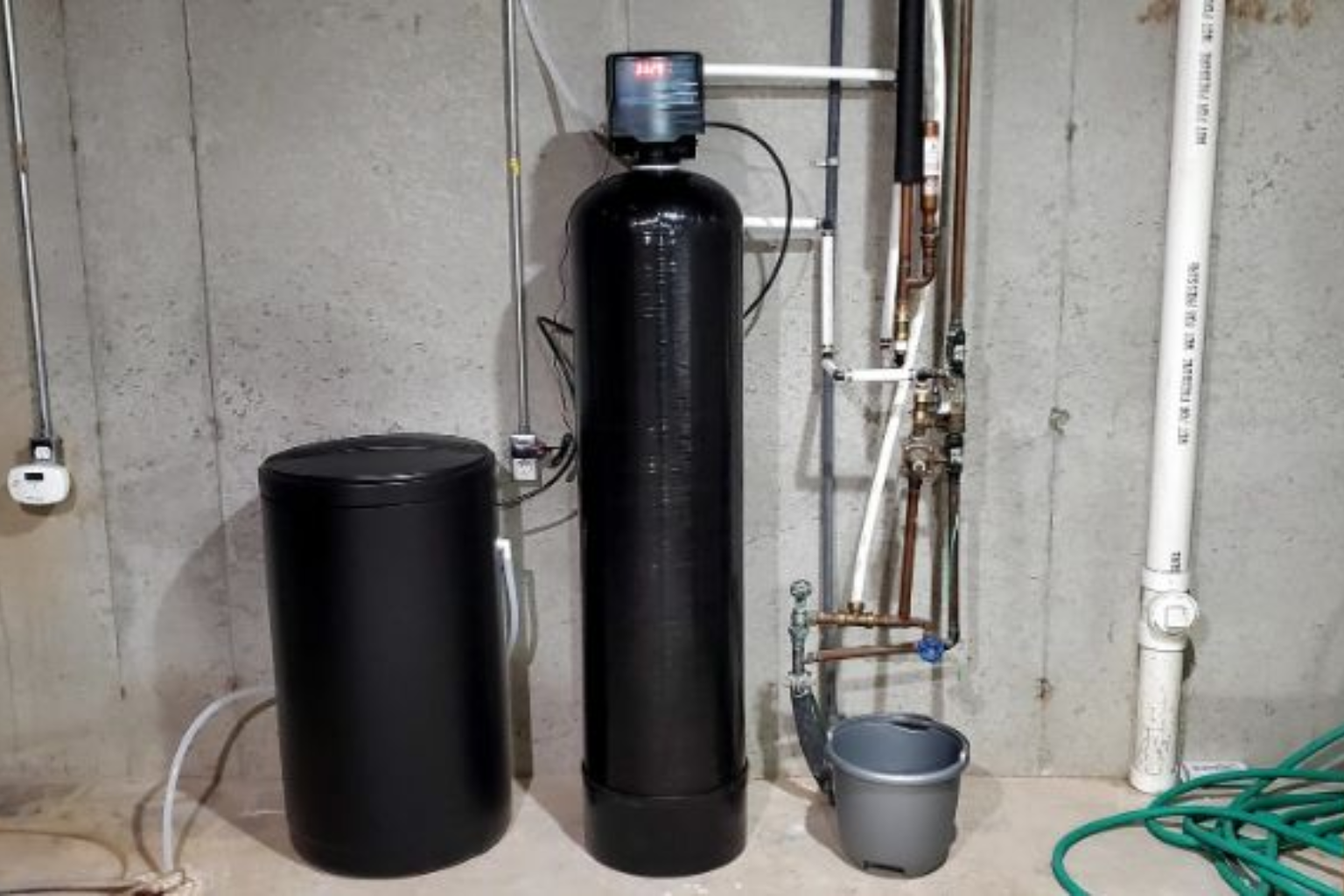
Most of us don’t question our water until something feels off.
Maybe it’s the faint chlorine smell when you fill a glass. Maybe your skin feels dry after every shower. Or maybe you’ve simply read one too many headlines about contaminants showing up in municipal systems across the country. Whatever sparks it, that moment of pause—what’s actually in my water?—is becoming more common.
For years, under-sink filters have been the go-to solution. They improve taste, reduce certain chemicals, and offer peace of mind for drinking water. But increasingly, homeowners are looking beyond a single faucet and asking a bigger question: what about the water in the rest of the house?
From the Kitchen Sink to Every Tap
Traditional filtration systems focus on one point of use—usually the kitchen. That makes sense. We drink and cook with that water.
But what about the water in your shower? The water that washes your clothes? The water running through your appliances every single day?
It’s easy to forget that water touches almost every part of your home life. And once you start thinking about it, it becomes harder to ignore.
That’s where interest in water purification systems on a larger scale starts to grow. Instead of treating only what you drink, whole-home solutions address the water entering your house at the source.
It’s a different mindset. Less patchwork, more comprehensive.
What “Advanced” Really Means
When people hear the phrase advanced filtration, they sometimes picture something overly complicated—huge tanks, industrial setups, constant maintenance.
The reality is more practical than dramatic.
Advanced filtration simply means layering different technologies to target a wider range of potential impurities. Sediment filters remove particles. Carbon filters reduce chlorine and odors. Reverse osmosis membranes address dissolved solids and certain contaminants at a molecular level.
In whole-home systems, these stages are scaled to treat all incoming water, not just what flows from one tap.
It’s not about fear-based decisions. It’s about consistency.
The Appeal of Whole-Home Reverse Osmosis
Reverse osmosis (RO) has long been associated with under-sink drinking systems. But newer configurations allow RO to treat water at the point where it enters your house.
The conversation around whole home ro benefits usually centers on uniformity. Every faucet. Every shower. Every appliance.
Instead of having filtered water only in the kitchen, you’re bathing in it. Washing clothes in it. Filling your bathtub with it.
For households particularly concerned about dissolved solids, heavy metals, or well water quality, this comprehensive approach can feel reassuring.
It’s not for everyone. But for some families, it’s a logical next step.
The Skin and Hair Factor
One area people don’t anticipate is how treated water can affect skin and hair.
Hard water, for instance, leaves mineral residue that interferes with soap. Chlorinated water may contribute to dryness or irritation.
When water quality improves, some homeowners report softer skin, smoother hair, and less reliance on moisturizers or specialty shampoos.
Is it life-changing? Probably not.
But when you multiply that small comfort across every shower, every day, it becomes noticeable.
Appliance Longevity and Efficiency
Water doesn’t just flow over your skin—it flows through your machines.
Washing machines. Dishwashers. Water heaters. Ice makers.
Mineral buildup inside these appliances reduces efficiency over time. Heating elements struggle. Pipes narrow. Energy use creeps upward.
Treating water before it reaches these systems can reduce scale formation and extend appliance life.
Again, the benefits are gradual rather than dramatic. But gradual improvements often translate into long-term savings.
Is It Overkill?
That’s a fair question.
Not every home needs a full-scale reverse osmosis setup. In many regions, municipal water quality is well within safe and acceptable standards.
Testing is critical. Before considering any whole-home installation, understanding your water’s composition helps determine whether such a system makes sense—or if simpler solutions will suffice.
In some cases, targeted filtration is enough. In others, comprehensive treatment feels justified.
The key is matching the solution to the actual water profile, not the latest trend.
Maintenance and Reality
Whole-home systems do require maintenance. Filters must be replaced. Membranes need periodic inspection. Tanks may require professional servicing.
This isn’t a set-it-and-forget-it upgrade.
But for many homeowners, maintenance feels manageable when balanced against the perceived benefits.
As with HVAC systems or plumbing, routine care becomes part of overall home upkeep.
Environmental Considerations
There’s also a sustainability angle.
Improved tap water quality can reduce reliance on bottled water, cutting down plastic waste. Efficient appliances operating with treated water may consume less energy over time.
On the other hand, reverse osmosis systems produce some wastewater during the filtration process. Modern designs are more efficient than older ones, but it’s still worth considering.
Like most home decisions, it’s about weighing trade-offs thoughtfully.
A Shift in Perspective
Upgrading water treatment isn’t about chasing perfection.
It’s about control.
When you understand what’s in your water and choose how to treat it, you move from passive consumer to informed homeowner.