There’s something easy to overlook about water—it’s always there. We use it without thinking much about it, from the first cup of coffee in the morning to rinsing vegetables before dinner. Because it’s so familiar, we often assume it’s fine unless it looks cloudy or smells unusual. But water quality isn’t always obvious, and the little differences can quietly affect everyday life.
Many homeowners don’t start paying attention until they notice an odd taste, white mineral spots on dishes, or the feeling that something simply isn’t right. Others become more aware after learning about aging infrastructure or changes in their local water reports. Whatever sparks the curiosity, it’s usually the beginning of a better understanding of just how important clean water really is.
Fortunately, improving your home’s water doesn’t have to be overwhelming. It starts with learning what affects water quality and choosing solutions that fit your family’s needs rather than chasing the newest trend.
Water Does More Work Than We Realize
When people think about drinking water, they usually picture a glass sitting on the kitchen counter. In reality, water plays a role in nearly every meal and household routine.
It’s in your tea, coffee, soup, pasta, rice, smoothies, and homemade bread. It’s used to wash fresh produce, prepare baby formula, and fill reusable bottles before leaving for work or school.
Even subtle changes in water quality can influence flavor. Coffee beans may be carefully selected, but if the water carries chlorine or excess minerals, the final cup may never taste quite as good as it could.
That’s why so many families have started paying closer attention to the quality of the water they use every day—not just for drinking, but for cooking and food preparation as well.
Clean Water Means More Than Clear Water
Clear water isn’t necessarily the same as clean water.
Many dissolved substances are completely invisible. Minerals, chlorine, sediment, and naturally occurring compounds can all affect taste, odor, and overall drinking experience without changing the appearance of the water itself.
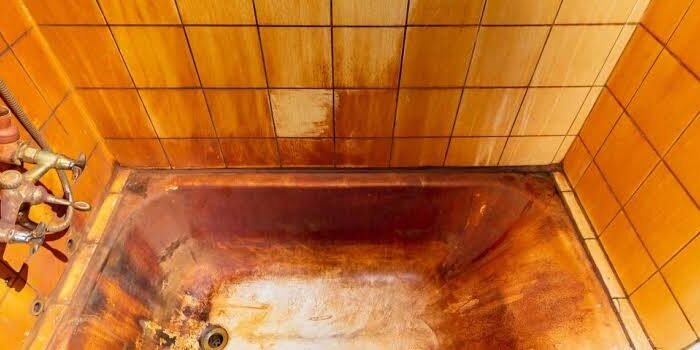
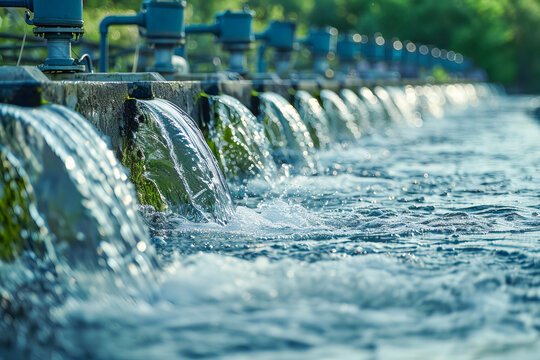
Municipal treatment facilities work hard to provide safe drinking water, and in many areas they do an excellent job. However, water still travels through distribution systems before reaching individual homes. Along the way, factors like aging pipes and local infrastructure may influence what ultimately comes from the faucet.
This is why some households experience noticeable differences in taste even when living within the same city.
Why Homeowners Are Investing in Better Filtration
Over the last decade, people have become much more interested in improving water quality at home.
Some want to reduce bottled water purchases. Others hope to improve taste, minimize unwanted odors, or simply gain greater confidence in what they’re drinking every day.
For many families, having access to high-quality water isn’t about luxury. It’s about creating a healthier, more enjoyable experience throughout the home.
When clean water is readily available from the kitchen faucet, simple routines become easier. Filling reusable bottles, preparing meals, or making morning coffee no longer requires a second thought.
Small conveniences like these often end up making the biggest long-term difference.
Understanding Modern Water Treatment
Today’s home filtration technology has advanced considerably compared to older systems.
Rather than relying on a single filter to solve every problem, many modern solutions combine multiple treatment stages. Different filters target different impurities, creating a more balanced and efficient process.
This layered approach allows water purification systems to improve taste while reducing many unwanted contaminants depending on the specific technology being used.
The result isn’t simply cleaner-looking water—it often tastes fresher, smells better, and supports a more enjoyable cooking experience as well.
Many homeowners are surprised by how noticeable the difference becomes after just a few days of use.
Every Home Has Different Water Conditions
One of the biggest mistakes people make is assuming every filtration system works equally well everywhere.
In reality, water conditions vary significantly depending on location.
Homes supplied by municipal utilities face different challenges than private wells. Some areas experience hard water with elevated mineral content, while others deal primarily with chlorine taste or sediment.
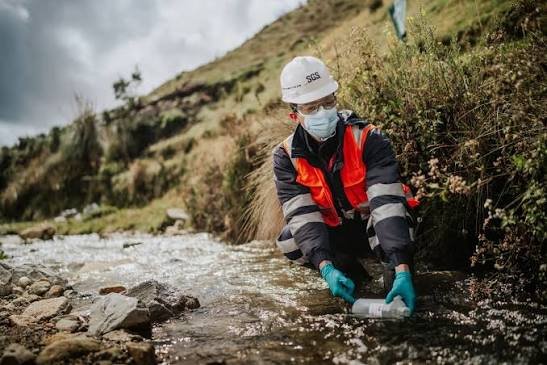
That’s why professional water testing remains one of the smartest investments before purchasing filtration equipment.
Instead of guessing, homeowners receive clear information about their specific water conditions, making it much easier to select equipment that actually addresses their needs.
It’s a practical step that often saves money and prevents buying unnecessary features.
Thinking Beyond Drinking Water
The benefits of cleaner water extend far beyond filling a glass.
Cooking with filtered water often improves the flavor of soups, sauces, rice, pasta, and hot beverages. Ice cubes become clearer. Fresh fruits and vegetables are rinsed with greater confidence.
Some homeowners also notice fewer unpleasant odors while preparing meals.
Over time, these small improvements become part of everyday life without requiring any extra effort.
Unlike temporary solutions that need constant refilling or replacement, permanently installed filtration systems simply become another dependable household appliance.
The best upgrades are often the ones that quietly improve daily routines without demanding attention.
Protecting the Future of Household Water
As communities continue growing, conversations about sustainable water use are becoming increasingly important.
Protecting local water supplies isn’t solely the responsibility of municipalities. Homeowners also contribute by reducing unnecessary bottled water consumption and choosing efficient filtration solutions that minimize plastic waste.
Making thoughtful choices today can benefit both individual households and the environment over the long term.
It’s encouraging to see more families viewing water quality as part of a broader commitment to healthier living rather than simply another home improvement project.
Choosing the Right Solution
With so many filtration products available, it’s easy to become overwhelmed by technical specifications and marketing promises.
Instead of focusing exclusively on price or popularity, consider practical questions.
How much maintenance is required?
How often do filters need replacing?
Does the system match your local water conditions?
Is installation straightforward?
Will ongoing operating costs remain reasonable?
These everyday considerations usually matter far more than flashy advertising claims.
The right system should fit naturally into your lifestyle while providing reliable performance for years to come.
Better Water Creates Better Everyday Moments
It’s funny how some of the most meaningful home improvements aren’t the ones guests immediately notice.
Cleaner water doesn’t transform your kitchen overnight or completely change your daily routine. Instead, it quietly improves dozens of ordinary moments.
Your morning coffee tastes richer. Cold water feels more refreshing after a long afternoon. Cooking becomes a little more enjoyable. Filling your child’s water bottle before school brings extra confidence.
Those experiences may seem small individually, yet together they shape everyday life in meaningful ways.
At the end of the day, investing in better water isn’t really about buying another household appliance. It’s about creating a home where something as essential as drinking water supports comfort, convenience, and peace of mind.
And sometimes, that’s exactly the kind of improvement worth making.